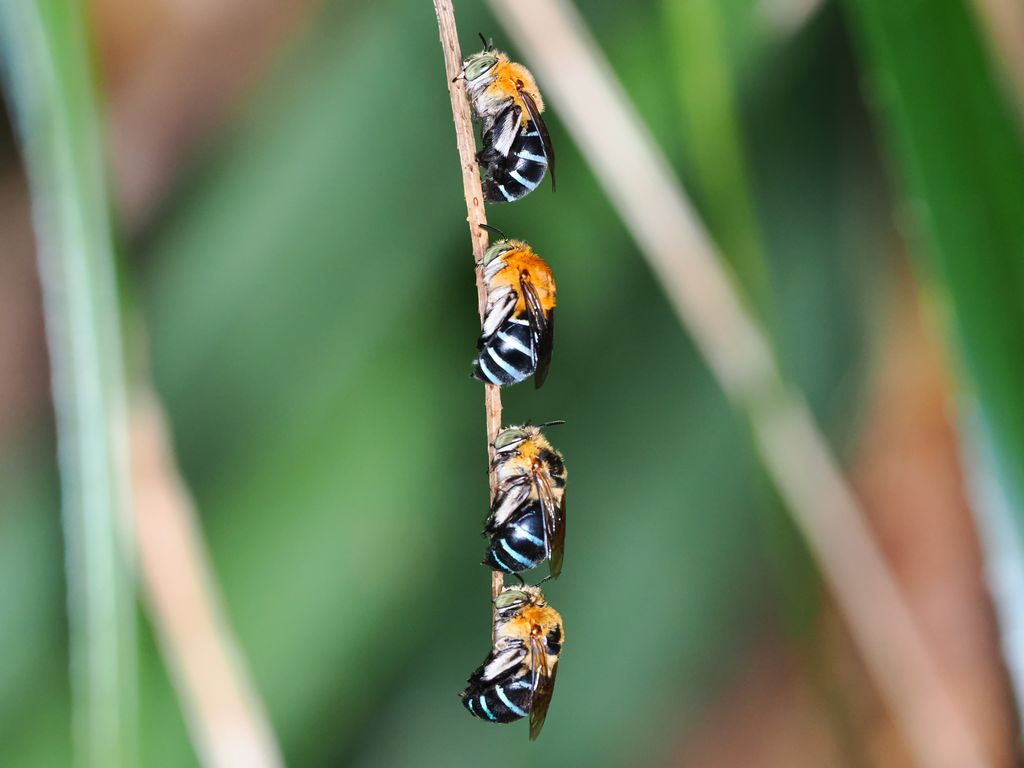
Species information Scientific name: Amegilla calceiferaJapanese name: アオスジコシブトハナバチChinese name: 甜無墊蜂English name: Ryukyu blue banded beeOrigin: Amami Oshima to Yonaguni Ecology and description Ryukyu blue banded bee has striking blue stripes on its abdomen and does not build beehives. Male bees rest at night by clamping onto branches with their mandibles. Field photographs taken during our… Continue reading Ryukyu Blue Banded Bee
Tag: AmamiOshima
Ryukyu Fishing Spider
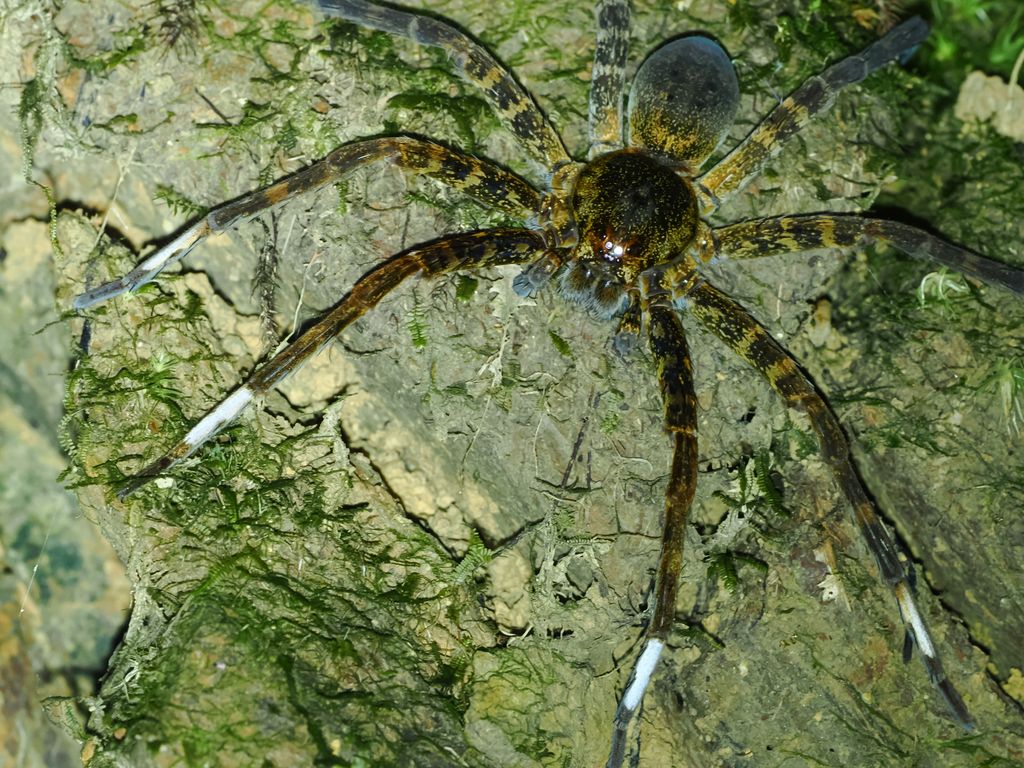
Species information Scientific name: Dolomedes orionJapanese name: オオハシリグモChinese name: 大狡蛛English name: Ryukyu fishing spiderOrigin: Tokara Islands, Amami Oshima, Tokunoshima, Okinawajima, Tokashikijima, Kumejima Ecology and description Ryukyu fishing spider is the largest hunting-type spider in Japan, and it hunts by the waterside without building a web. Ryukyu fishing spider lightly touches the water surface with its… Continue reading Ryukyu Fishing Spider
Grey-faced Buzzard
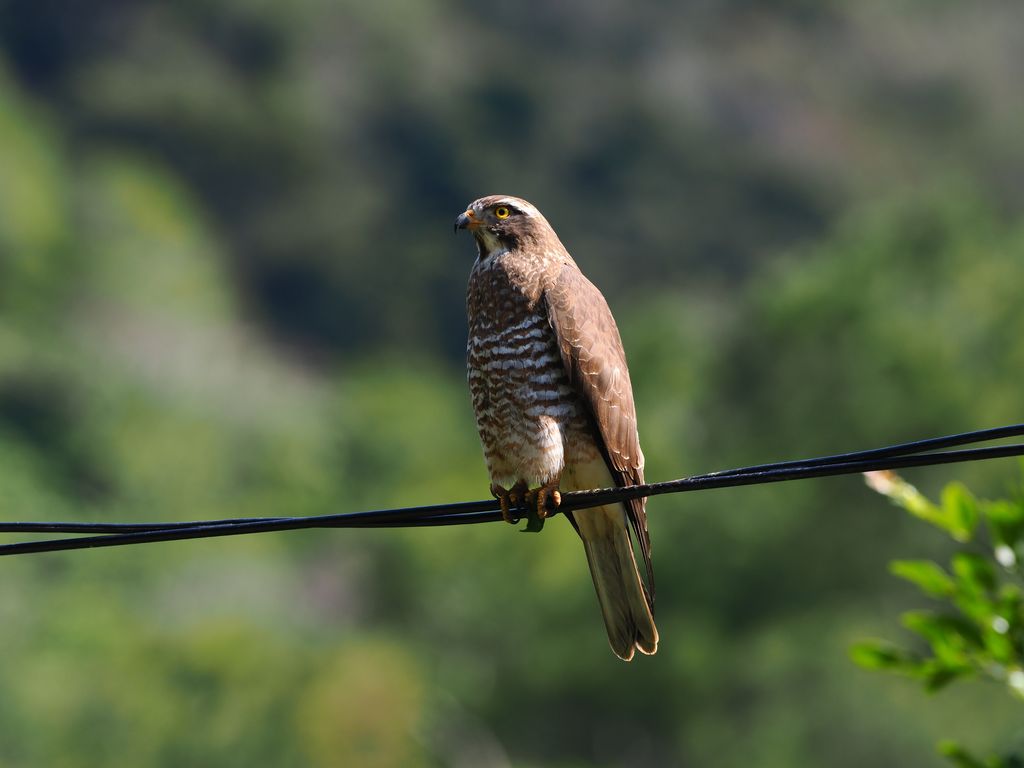
Species information Scientific name: Butastur indicusJapanese name: サシバChinese name: 灰面鵟鷹、灰面鷲English name: Grey-faced BuzzardOrigin: Breeds in Russia, China, Korea, and Honshu, Japan. Migrates to Southeast Asia for winter. Ecology and description Grey-faced Buzzard migrates through the Ryukyu Islands from breeding grounds in Honshu, Japan, and other regions, heading to Southeast Asia by early October. Flocks of… Continue reading Grey-faced Buzzard
Ryukyu Long-Furred Rat
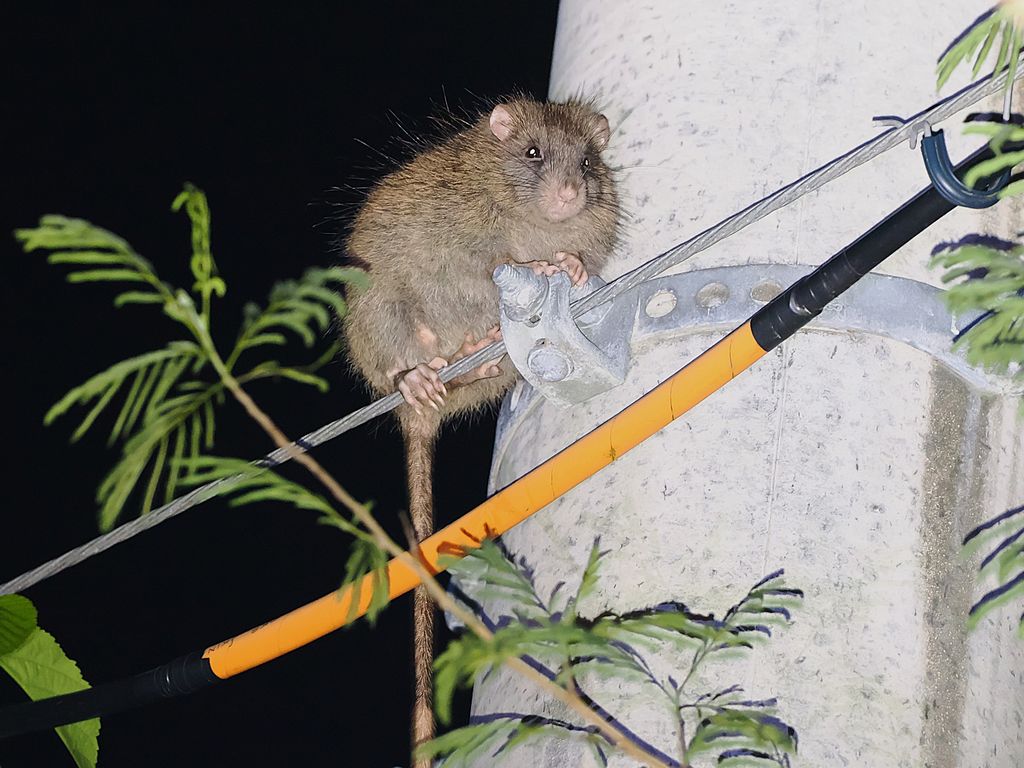
Species information Scientific name: Diplothrix legataJapanese name: ケナガネズミChinese name: 琉球長毛鼠English name: Ryukyu long-furred ratOrigin: Endemic to northern Okinawajima, Tokunoshima, and Amami Oshima Ecology and description The Ryukyu long-furred rat is the only species in the genus Diplothrix, and it is one of the most representative animals of the central Ryukyu Islands. It is designated as… Continue reading Ryukyu Long-Furred Rat
Ryukyu Flycatcher
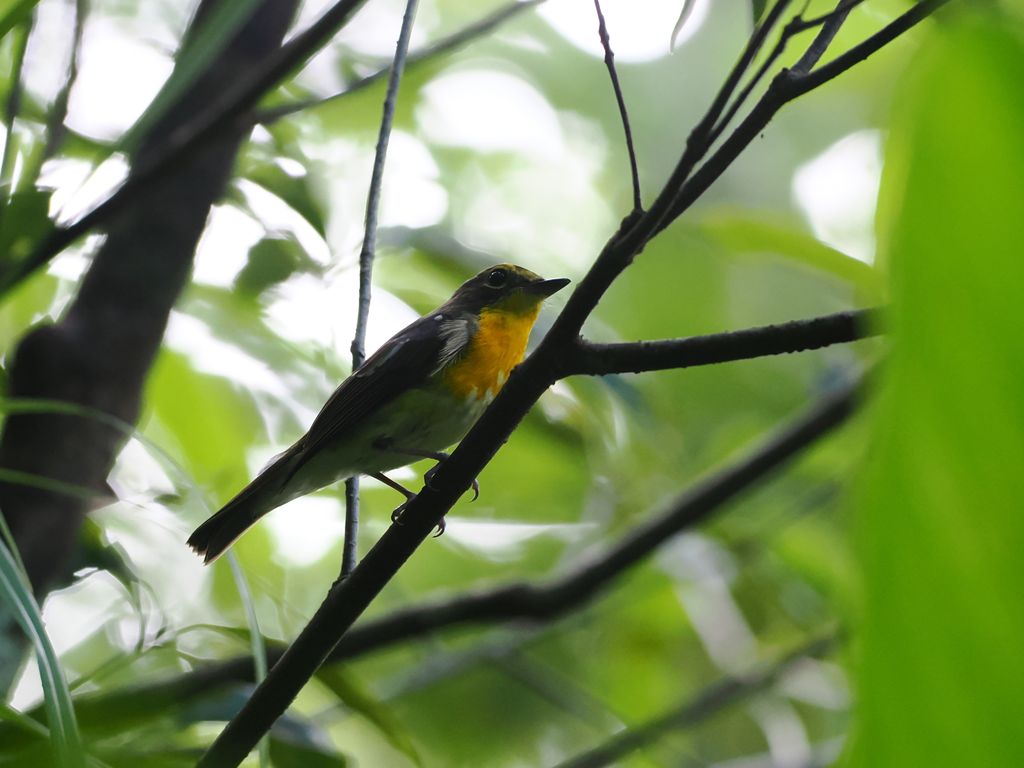
Species Information Scientific name: Ficedula owstoniJapanese name: リュウキュウキビタキChinese name: 琉球姬鶲English name: Ryukyu flycatcherOrigin: Ryukyu Islands (Osumi Islands in Kagoshima Prefecture ~ Yaeyama Islands in Okinawa Prefecture) Ecology and Description Previously considered a subspecies of the Narcissus flycatcher (Ficedula narcissina), it is now regarded as an independent species. Sightings on Okinawajima are rare and infrequent. Field… Continue reading Ryukyu Flycatcher
Okinawa Giant Silkworm
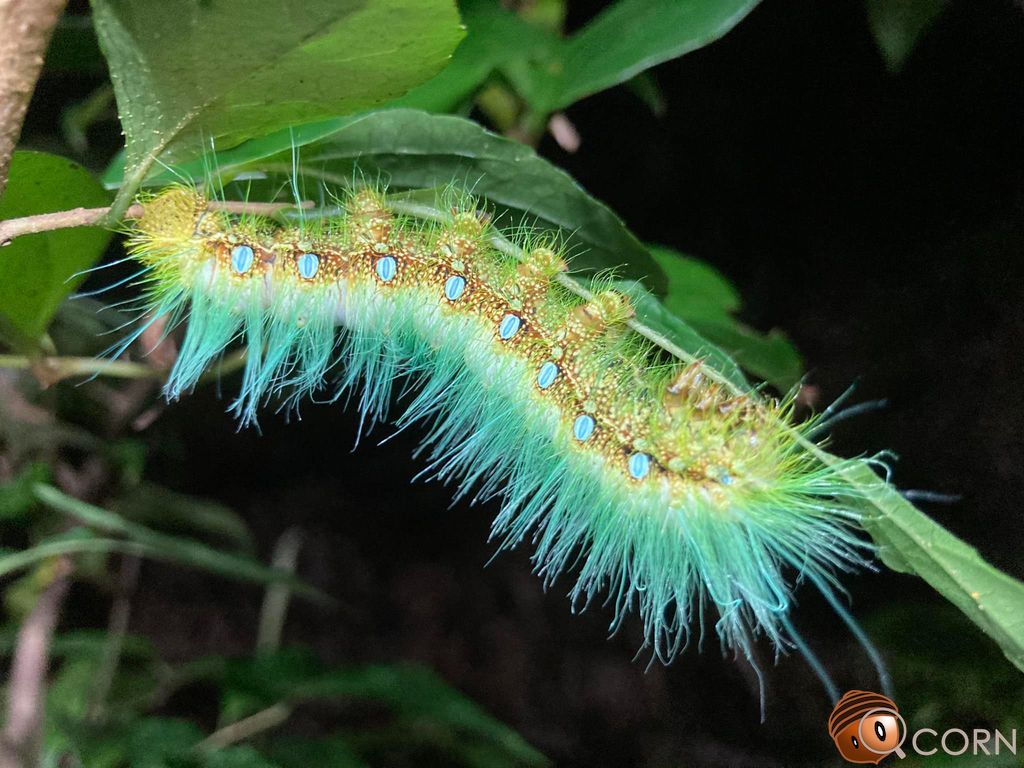
Species information Scientific name: Rinaca japonica ryukyuensisJapanese name: クスサンChinese name: 雙黑目天蠶蛾(琉球亞種)English name: Okinawa giant silkwormOrigin: Amami Oshima, Tokunoshima, Okinawajima Ecology and description The Rinaca japonica species is divided into three subspecies based on their distribution: The adults of the Ryukyu subspecies have a darker color than the mainland subspecies. Although the Japanese name クスサン (Camphor… Continue reading Okinawa Giant Silkworm
Oshima Skink
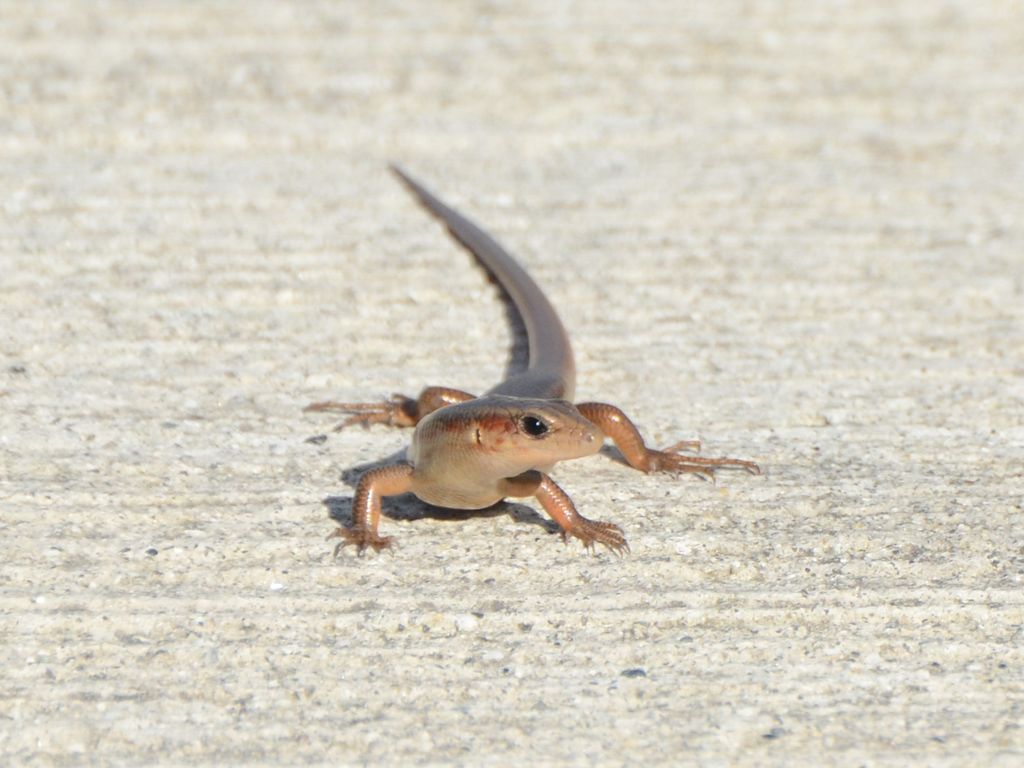
Species information Scientific name: Plestiodon oshimensisJapanese name: オオシマトカゲChinese name: 大島石龍子English name: Oshima skinkOrigin: Amami Islands (excluding Yoron Island and Okinoerabujima), Tokara Islands (Takarajima, Kodakarajima, Suwanosejima) Ecology and description This species has a total length of about 20 cm, with a snout-vent length of 6-11 cm. It resembles Okinawa Skink (Plestiodon marginatus) which is distributed in… Continue reading Oshima Skink
Kawamura’s Rice Field Frog
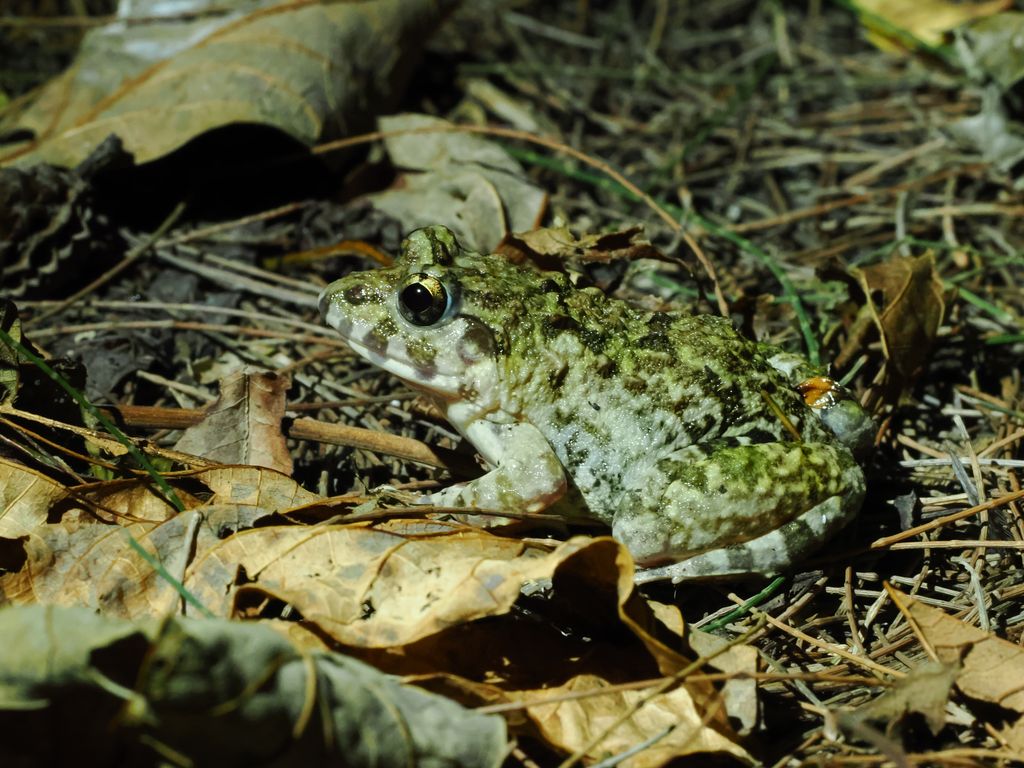
Species information Scientific name: Fejervarya kawamuraiJapanese name: ヌマガエルChinese name: 川村氏澤蛙、川村陸蛙English name: Kawamura’s rice field frogOrigin: Western Honshu (central region and westward), Shikoku, Kyushu, and some nearby islands in Japan; several islands of the Amami Islands (except Yoronjima) and Okinawa Islands (some islands); parts of China Ecology and description Kawamura’s rice field frog is a Fejervarya… Continue reading Kawamura’s Rice Field Frog
Barbour’s Skink
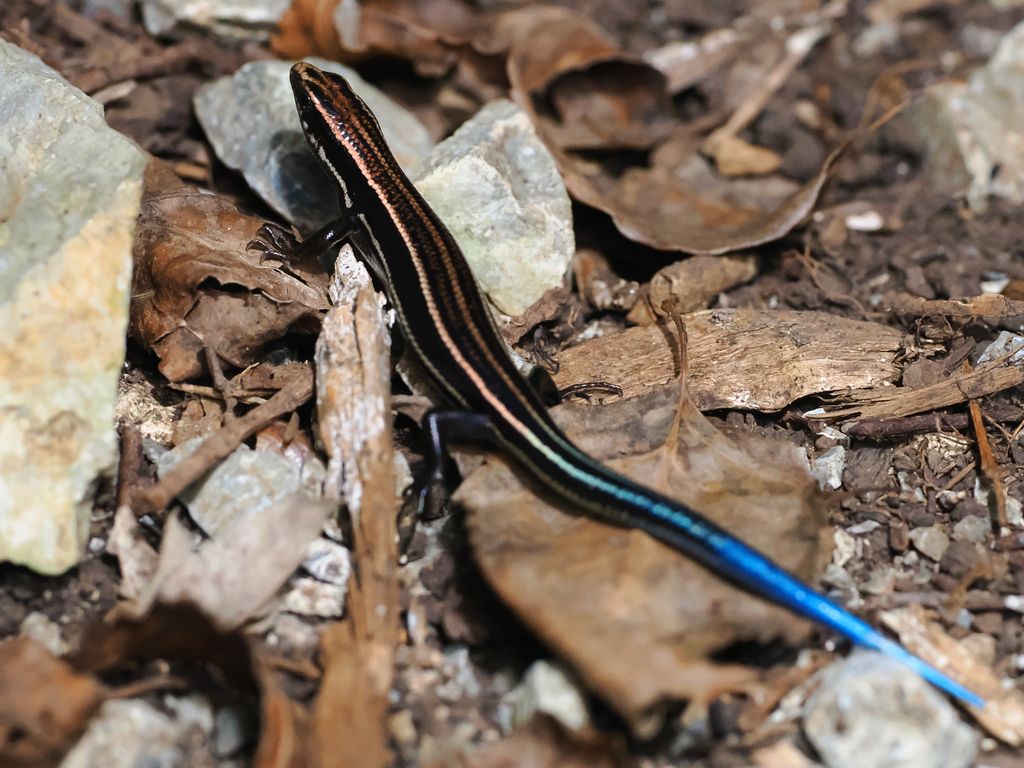
Species information Scientific name: Plestiodon barbouriJapanese name: バーバートカゲChinese name: 巴氏石龍子English name: Barbour's SkinkOrigin: Okinawa Islands, Amami Islands Ecology and description This is a medium-sized skink distributed in the Okinawa Islands and Amami Islands. The specific epithet commemorates the American herpetologist Thomas Barbour. Juveniles have a dark brown body with 5 golden lines and a blue… Continue reading Barbour’s Skink
Amami Woodcock
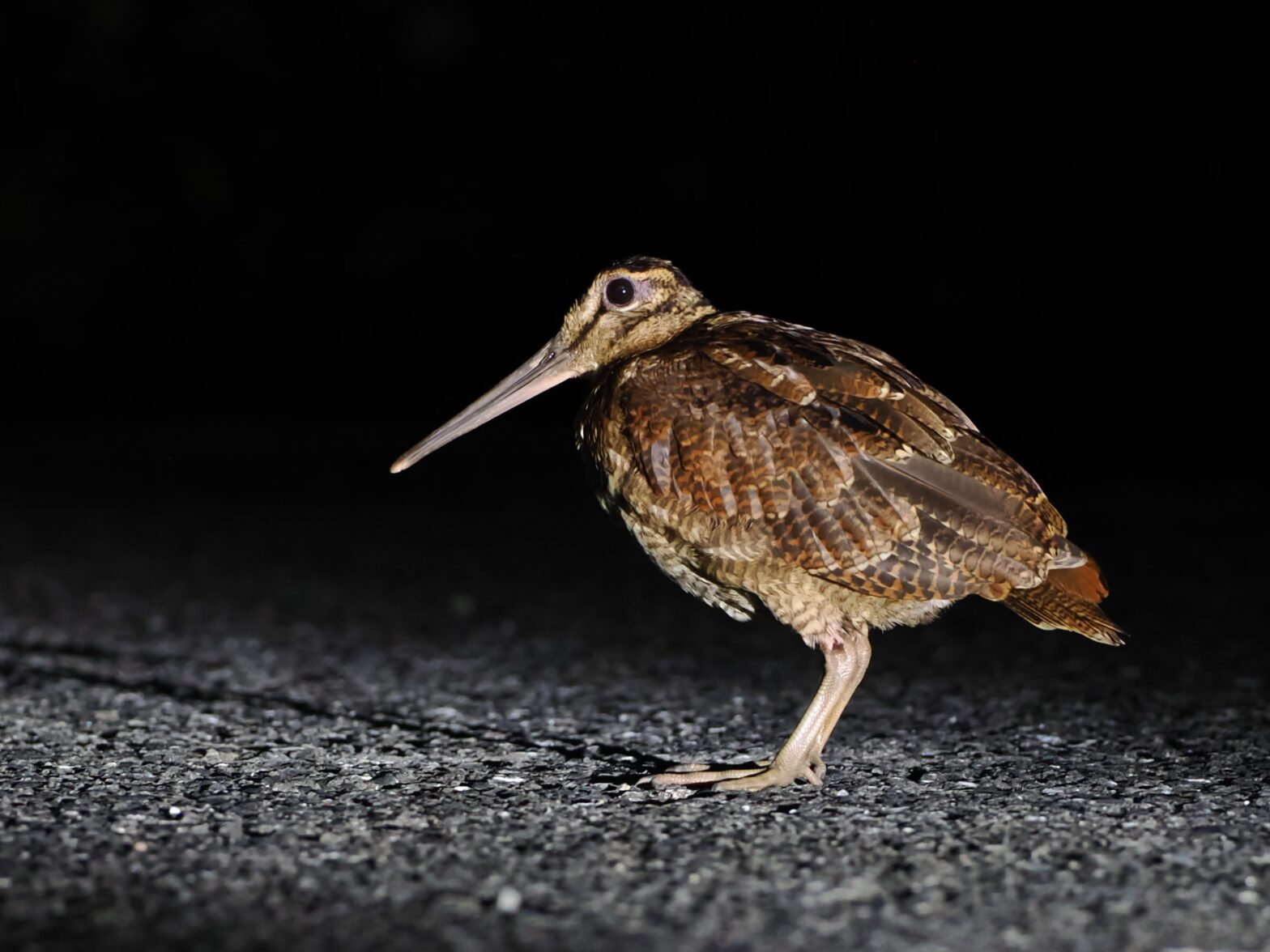
Species information Scientific name: Scolopax miraJapanese name: アマミヤマシギChinese name: 奄美山鷸English name: Amami woodcockOrigin: The main breeding grounds are Amami Oshima, Kikaijima, and Tokunoshima in the Amami Islands, while it is a winter visitor to Okinawajima. Ecology and description Woodcock species are nocturnal birds. The Amami woodcock is a resident bird of the Amami Islands and… Continue reading Amami Woodcock