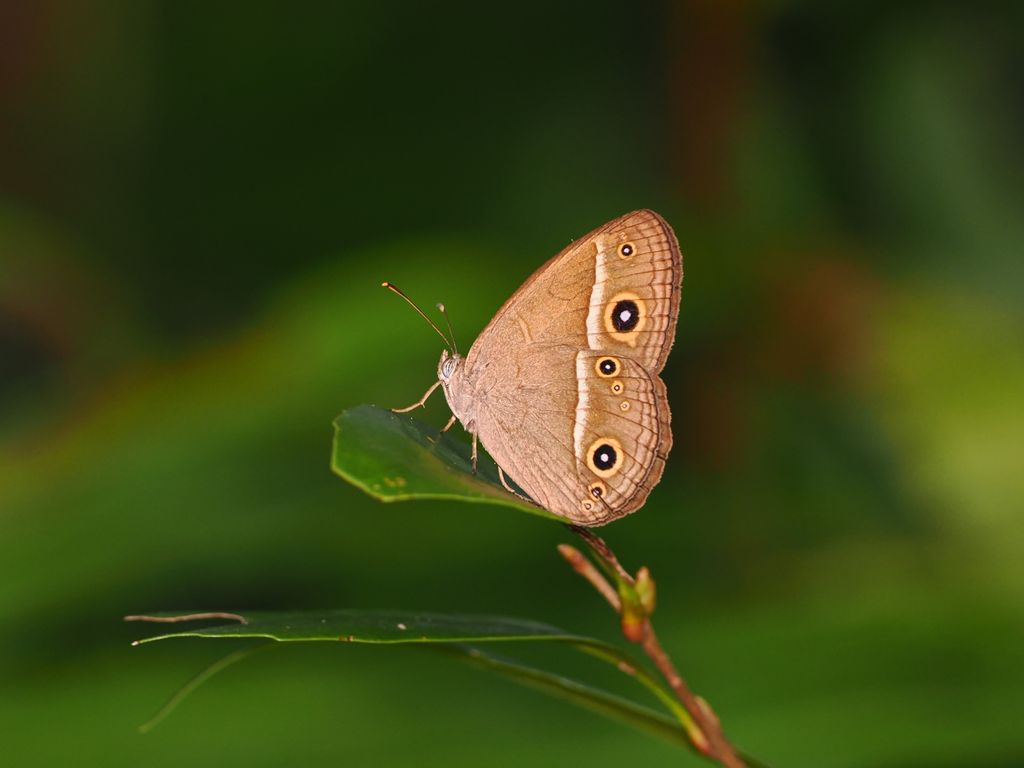
Species information Scientific name: Mycalesis madjicosaJapanese name: リュウキュウヒメジャノメChinese name: 琉球眉眼蝶、琉球姬蛇目蝶English name: Ryukyu bushbrownOrigin: Amami Oshima to Yonaguni Ecology and description Ryukyu bushbrown is a bushbrown distributed across the Ryukyu Islands, with a wingspan of approximately 55-57 mm. It can be further divided into two subspecies: The larvae feed on Poaceae plants such as white cogon… Continue reading Ryukyu Bushbrown
Tag: Kumejima
Bekkochlamys Perfragilis
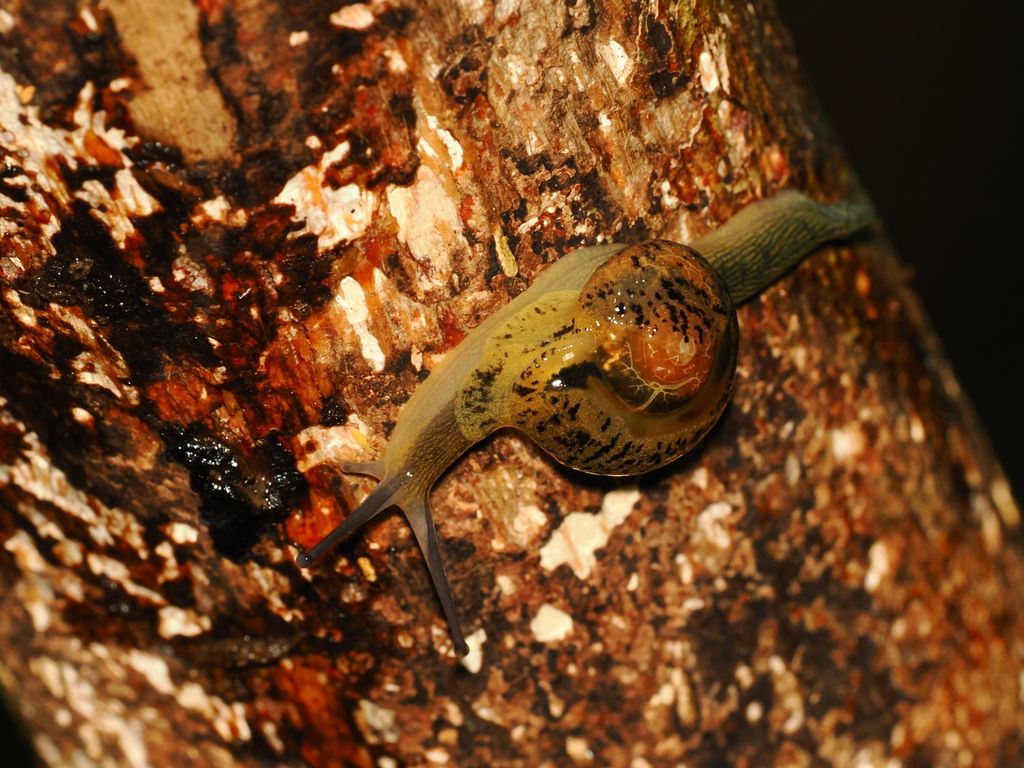
Species information Scientific name: Bekkochlamys perfragilisJapanese name: ベッコウマイマイChinese name: 脆殼鱉甲蝸牛English name: Bekkochlamys perfragilisOrigin: Okinawajima, Kumejima, Tokunoshima, Amami Oshima Ecology and description This species is a snail that inhabits only in moist forest environments. Its shell is relatively flat, and its specific name originates from its very thin and fragile shell. There is a mantle layer… Continue reading Bekkochlamys Perfragilis
Videnoida Horiomphala
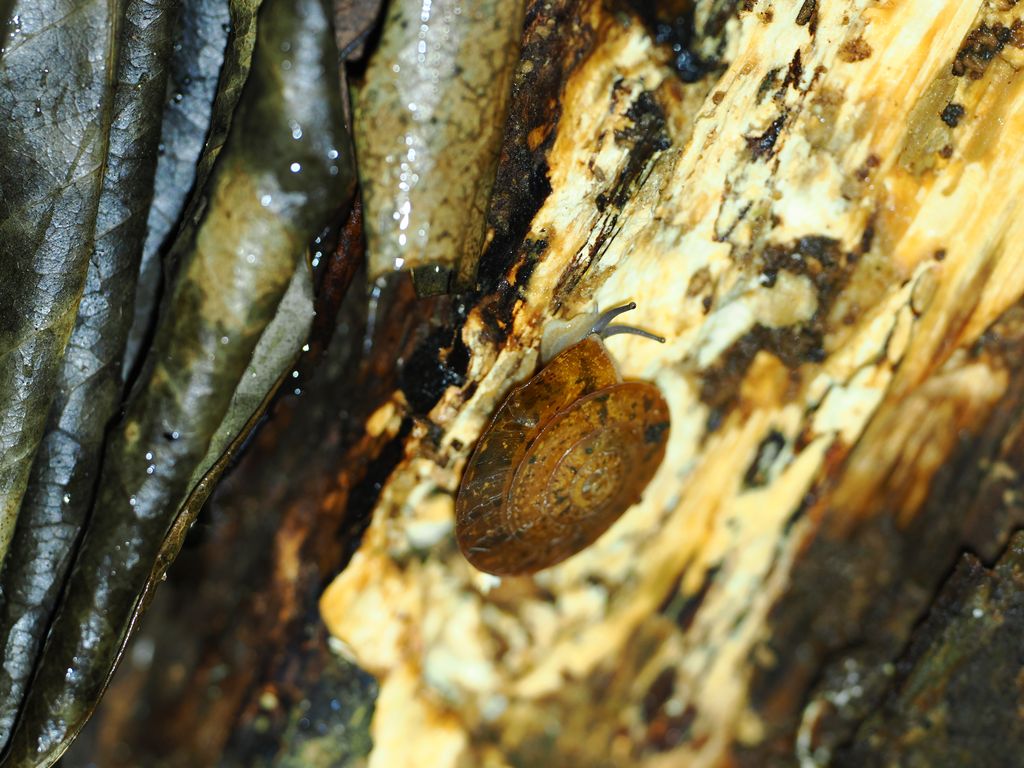
Species information Scientific name: Videnoida horiomphalaJapanese name: オオカサマイマイChinese name: 大笠蝸牛、界臍擬寬臍螺English name: Videnoida horiomphalaOrigin: Satsuma Peninsula in Kagoshima Prefecture, Amami Oshima, Tokunoshima, Okinawajima, and surrounding islands such as Kumejima, Heianza island, Miyagijima, Iheyajima, Izenajima. Ecology and description This species belongs to the genus Videnoida and has a flattened shell, with a diameter of about 17-25mm. It… Continue reading Videnoida Horiomphala
Giant golden orb weaver
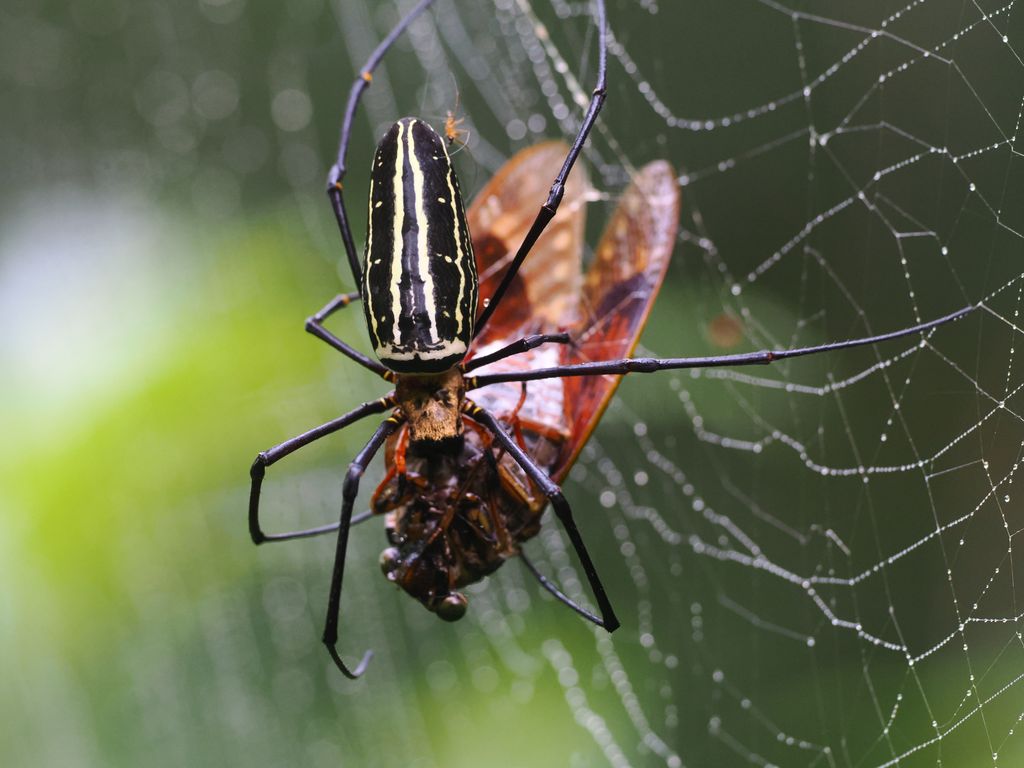
Species information Scientific name: Nephila pilipesJapanese name: オオジョロウグモChinese name: 人面蜘蛛、斑絡新婦English name: Giant golden orb weaverOrigin: Japan (Ryukyu Islands south of Amami Oshima), Taiwan, China, Southeast Asia, South Asia, Papua New Guinea, Australia Ecology and description The giant golden orb weaver is the largest spider in Japan. Females are 3.5–5 cm long, while males are only… Continue reading Giant golden orb weaver
Amur goby
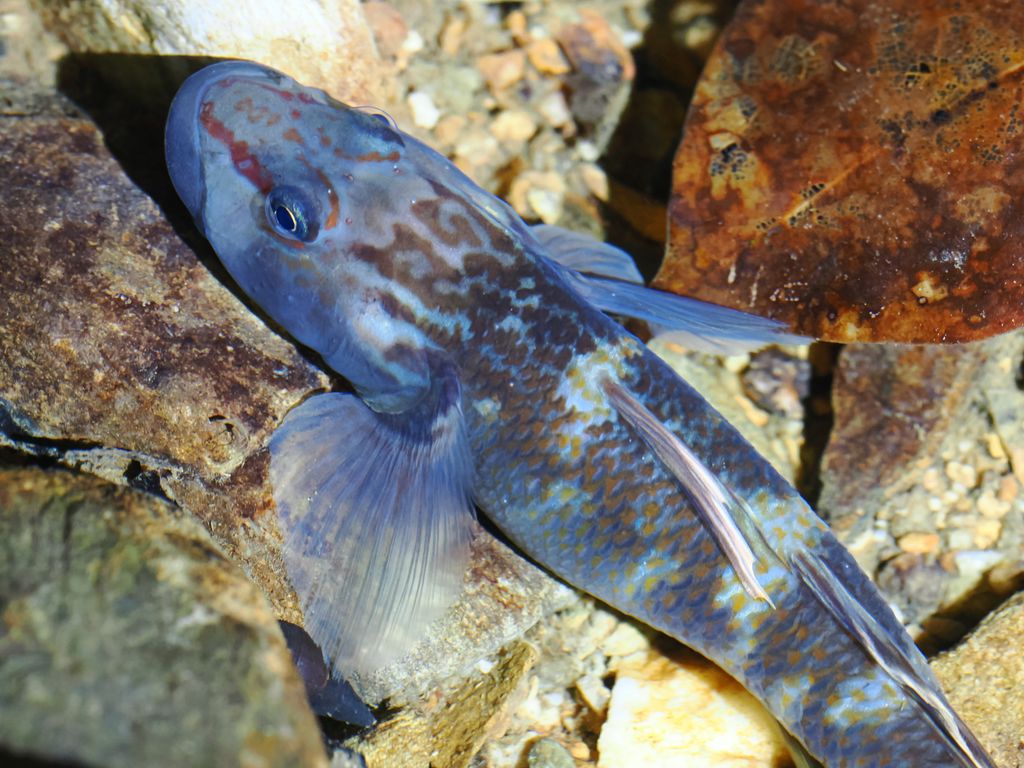
Species information Scientific name: Rhinogobius brunneusJapanese name: クロヨシノボリChinese name: 褐吻鰕虎English name: Amur gobyOrigin: Japan (Honshu to the Ryukyu Islands), Korea, Taiwan, China Ecology and description This species lives in the middle and upper reaches of streams. The total length is about 6-10cm, and it usually rests on stones on the bottom. It may be a… Continue reading Amur goby
Yamashina’s Ground Gecko

Species information Scientific name: Goniurosaurus yamashinaeJapanese name: クメトカゲモドキChinese name: 久米瞼虎English name: Yamashina's ground geckoOrigin: Kumejima Ecology and description This species is characterized by a body pattern primarily consisting of transverse bands, with a few irregular small spots in the bands. The iris of the eye is yellow. ※ Designated as a Natural Monument by Okinawa… Continue reading Yamashina’s Ground Gecko
Shining Leptopoma
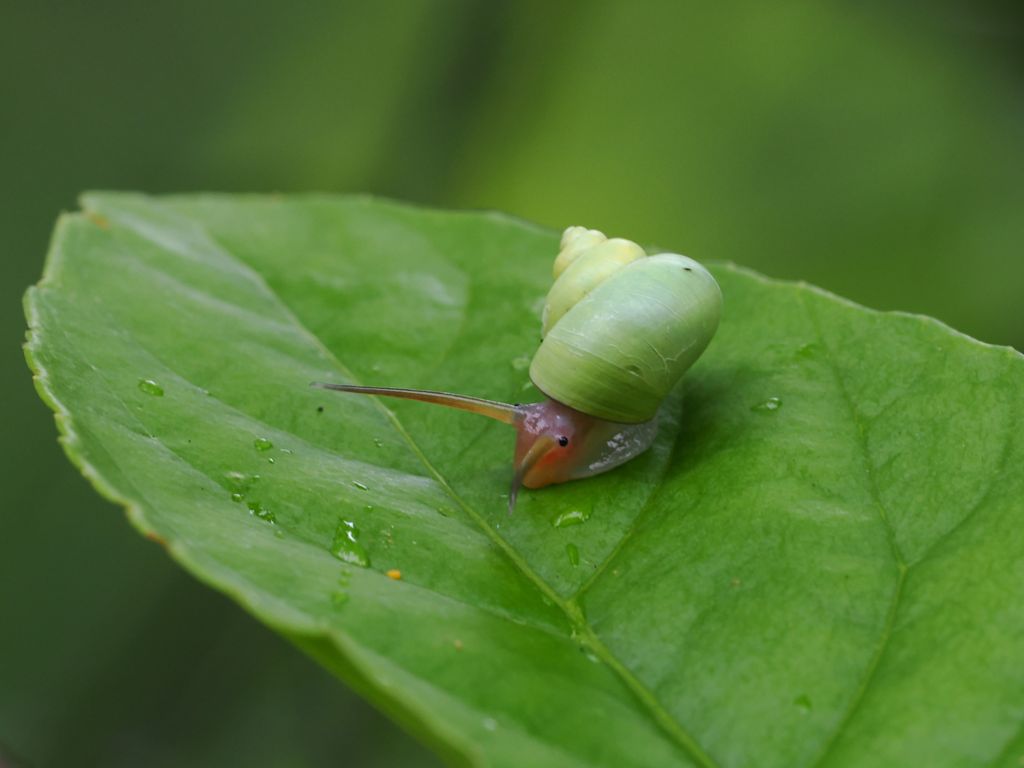
Species information Scientific name: Leptopoma nitidumJapanese name: アオミオカタニシChinese name: 青山蝸牛English name: Shining LeptopomaOrigin: Ryukyu Islands south of the Amami Islands, Taiwan, Papua New Guinea Ecology and description Shining Leptopoma is a common snail in the Ryukyu Islands, easily found in secondary forest environments. Although it looks like a snail, it is taxonomically a terrestrial gastropod.… Continue reading Shining Leptopoma
Common House Gecko
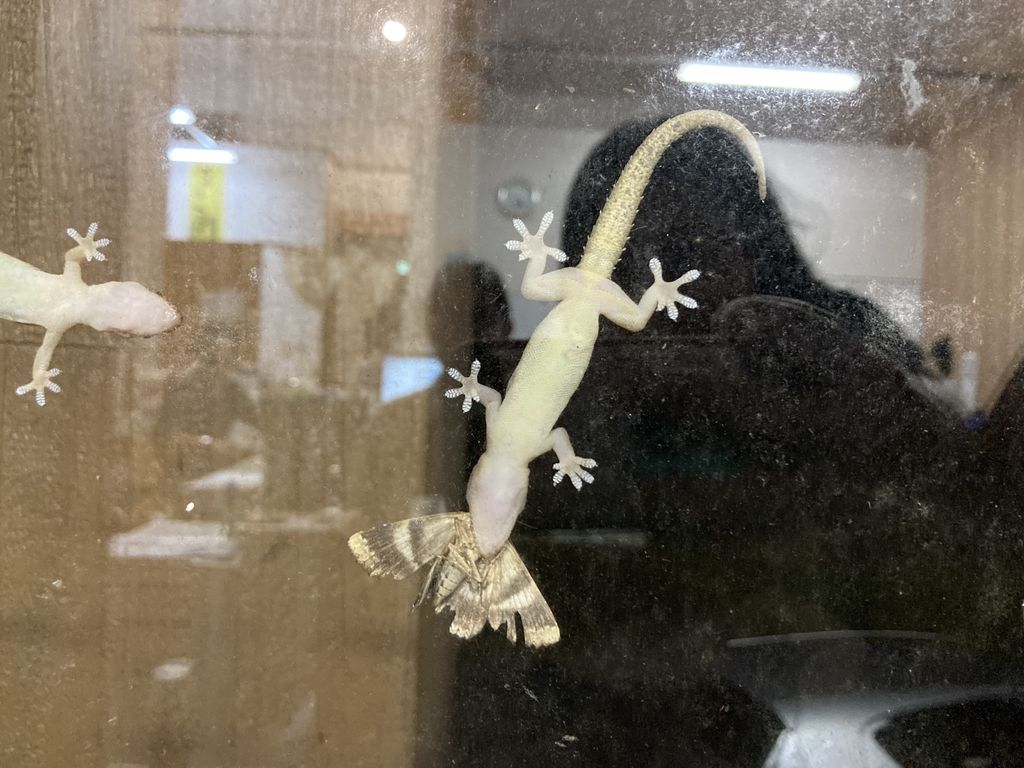
Species information Scientific name: Hemidactylus frenatusJapanese name: ホオグロヤモリChinese name: 疣尾蜥虎English name: Common house geckoOrigin: Tropical and subtropical regions worldwide. In Japan, it is distributed in the Ryukyu Islands south of Amami Oshima but can potentially move to other areas along with household furniture. Ecology and description Common house gecko is the most common gecko in… Continue reading Common House Gecko
Oshima Cicada
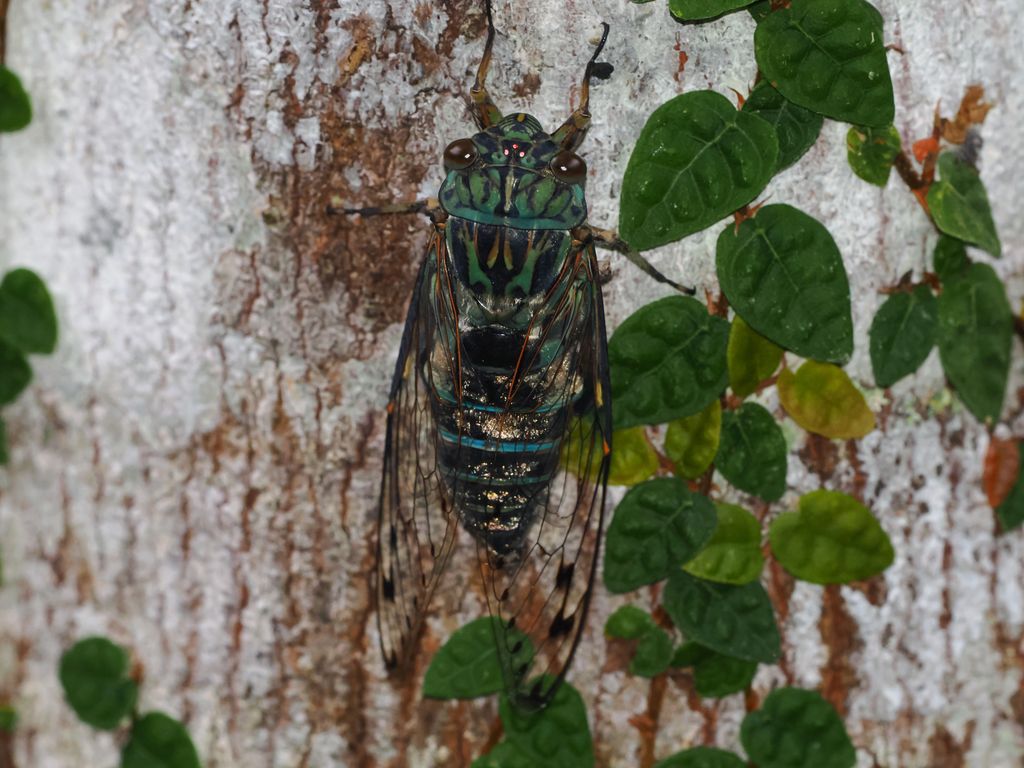
Species information Scientific name: Meimuna oshimensisJapanese name: オオシマゼミChinese name: 大島寒蟬English name: Oshima cicadaOrigin: Amami Oshima, Tokunoshima, Okinawajima, Kumejima Ecology and description Oshima cicada is the most representative autumn cicada in Yambaru and is the largest species among the Japanese Meimuna. Its habitat ranges from Amami Oshima to Okinawajima, with the specific name Oshimensis referring to… Continue reading Oshima Cicada
Ryukyu Blue Banded Bee
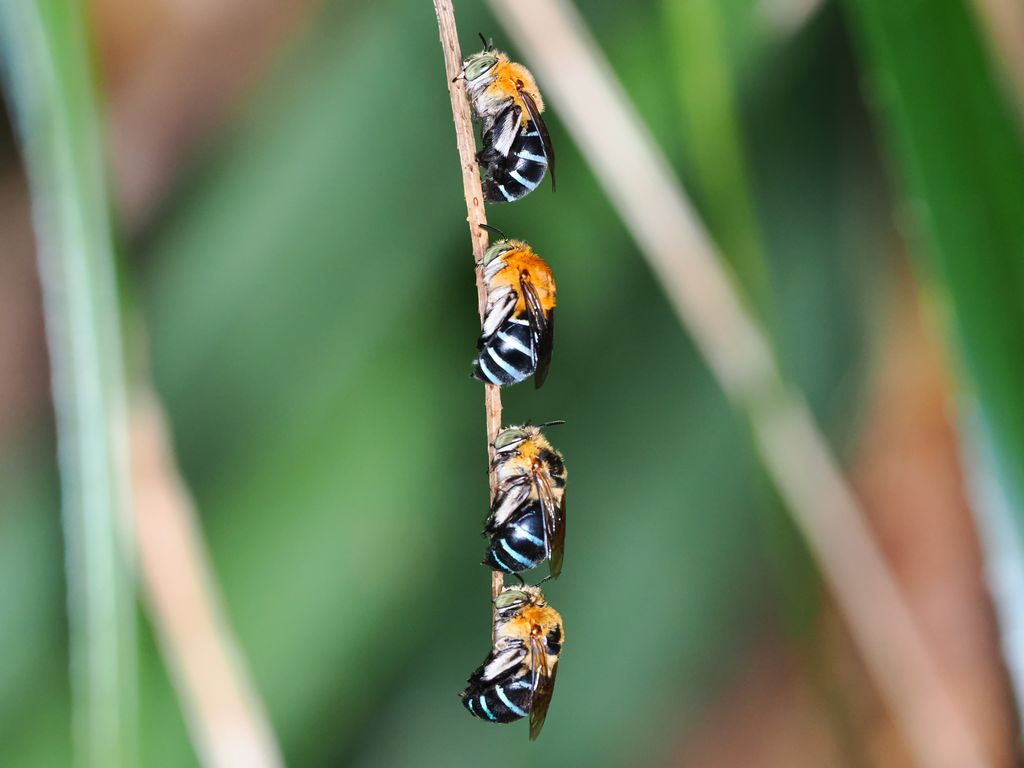
Species information Scientific name: Amegilla calceiferaJapanese name: アオスジコシブトハナバチChinese name: 甜無墊蜂English name: Ryukyu blue banded beeOrigin: Amami Oshima to Yonaguni Ecology and description Ryukyu blue banded bee has striking blue stripes on its abdomen and does not build beehives. Male bees rest at night by clamping onto branches with their mandibles. Field photographs taken during our… Continue reading Ryukyu Blue Banded Bee