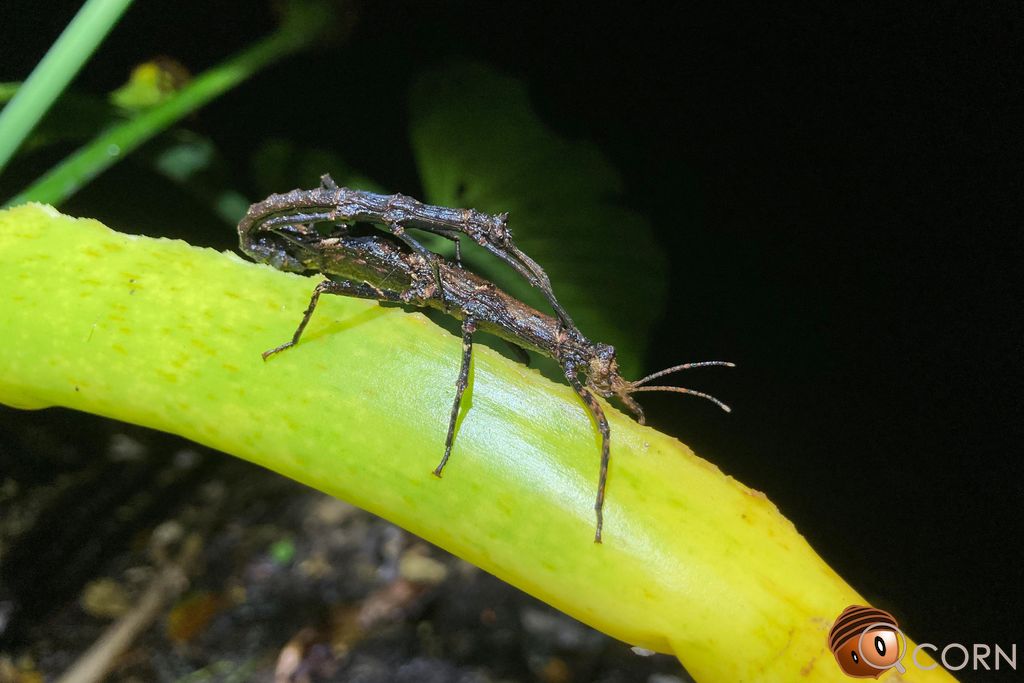
Species information Scientific name: Orestes japonicusJapanese name: コブナナフシChinese name: 日本瘤竹節蟲English name: Orestes japonicusOrigin: Found in the Ryukyu Islands Ecology and description Many species in the family of stick insects reproduce parthenogenetically, meaning females can lay eggs and produce offspring without mating with males. However, males of Orestes japonicus are often observed and they reproduce sexually.… Continue reading Orestes Japonicus
Category: Insects
Mogannia Minuta
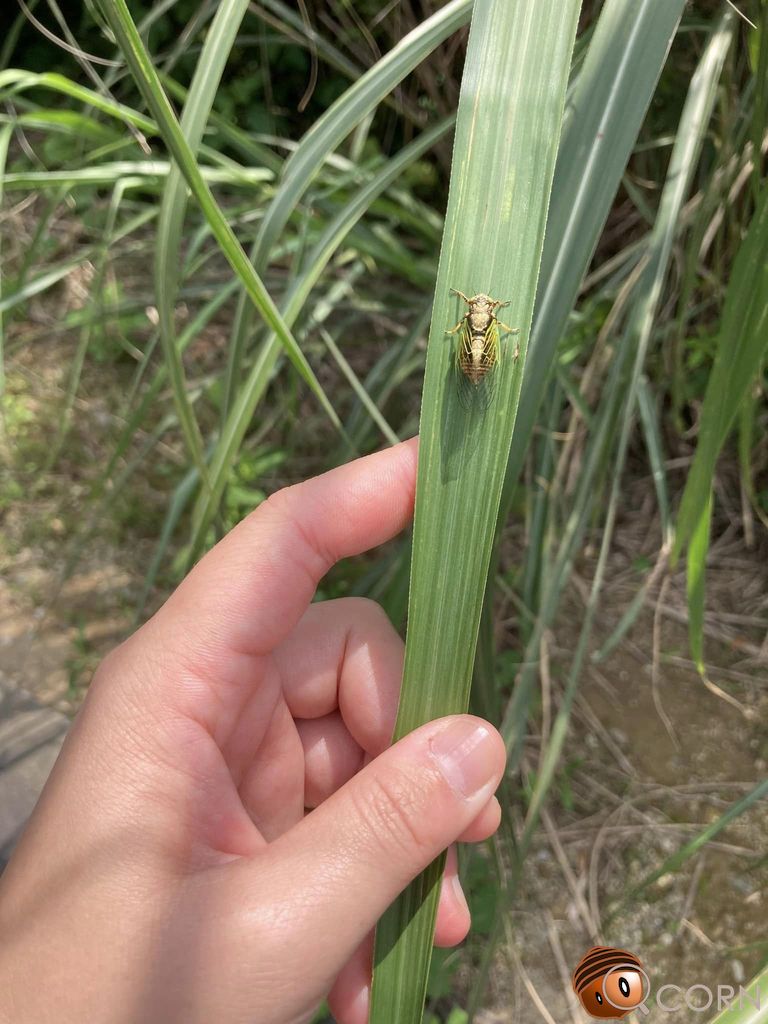
Species information Scientific name: Mogannia minutaJapanese name: イワサキクサゼミChinese name: 姬草蟬English name: Mogannia minutaOrigin: Okinawajima, Kudakajima, Miyakojima, Tarama, Ishigaki, Taketomi, Kuro, Kohama, Aragusuku, Iriomote, Hateruma, Hatoma, Yonaguni, Taiwan Ecology and description Mogannia minuta is approximately 1.5 cm in body length, making it the smallest cicada in Japan. It is also one of the earliest cicadas to… Continue reading Mogannia Minuta
Great Nawab
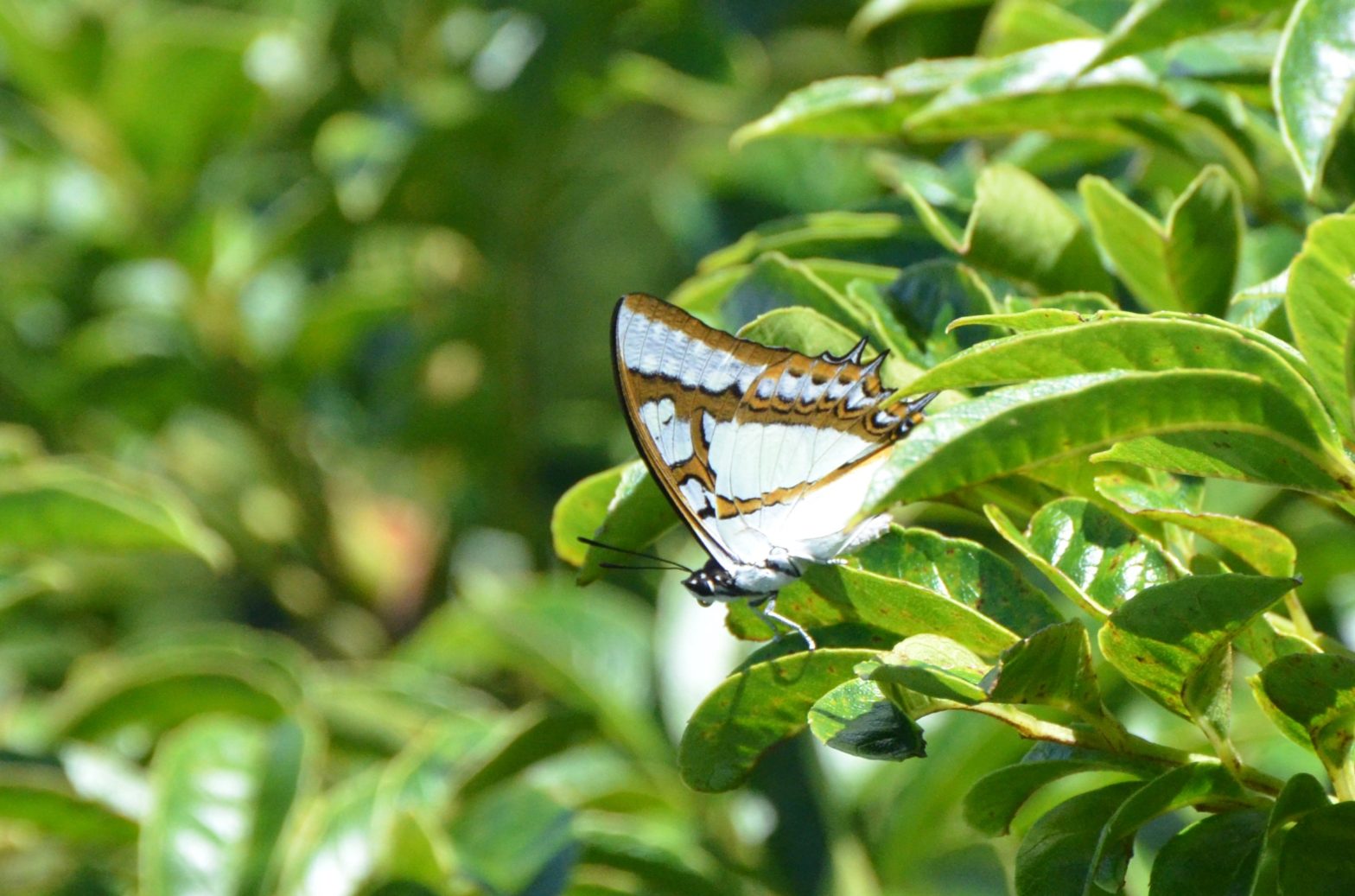
Species information Scientific name: Polyura eudamippusJapanese name: フタオチョウChinese name: 雙尾蛺蝶English name: Great nawabOrigin: Southern, Eastern, and Western China, Taiwan, Japan (only on Okinawajima) Ecology and description Great nawab is distributed only on Okinawajima in Japan, where it is designated as a natural monument of Okinawa Prefecture. The great nawab flies at high speeds and chases… Continue reading Great Nawab
Yambaru Flatwig
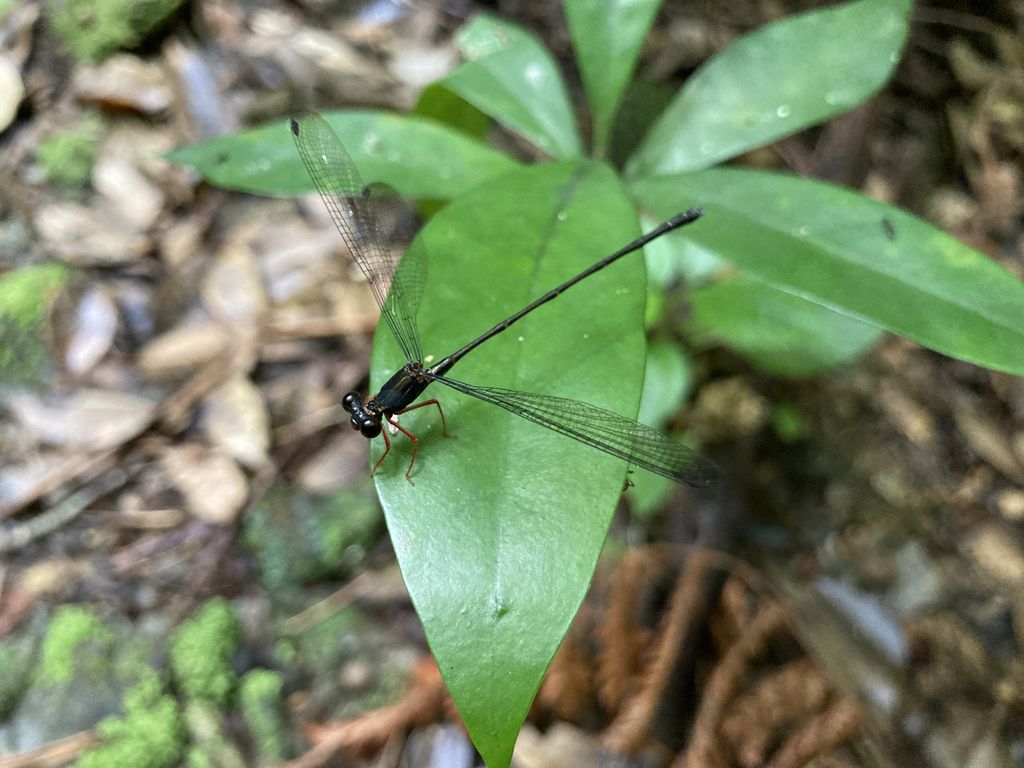
Species information Scientific name: Rhipidolestes shozoiJapanese name: ヤンバルトゲオトンボChinese name: 山原蹣蟌、山原扇山蟌English name: Yambaru flatwigOrigin: Northern Okinawajima Ecology and description Yambaru flatwig is a small damselfly with a body length of about 4 cm. It was previously considered a part of the Okinawa flatwig (Rhipidolestes okinawanus) population. However, the population in northern Okinawa has now been recognized… Continue reading Yambaru Flatwig
Japanese Silk Moth
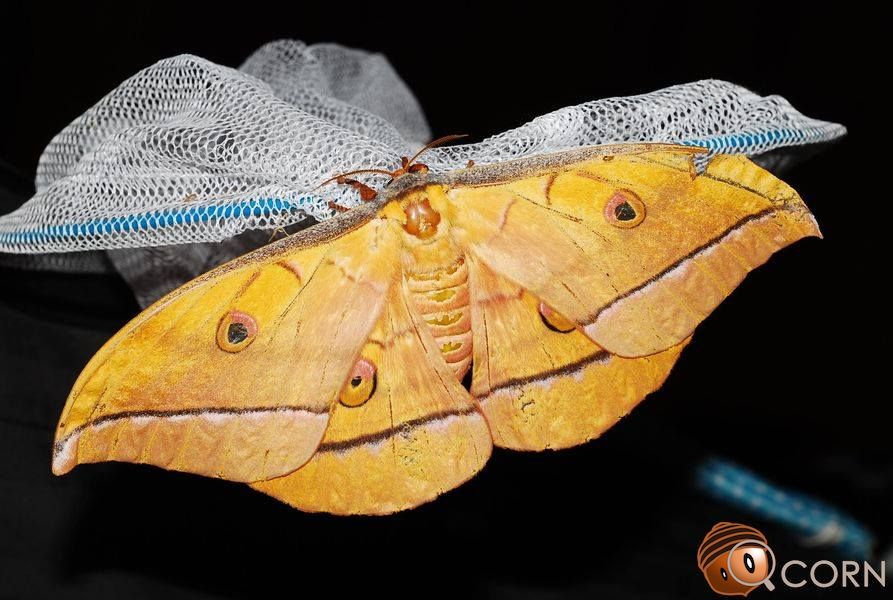
Species information Scientific name: Antheraea yamamai yambaruJapanese name: ヤママユ(沖縄亜種)Chinese name: 大透目天蠶蛾(沖繩亞種)English name: Japanese silk mothOrigin: It is distributed in Korea, parts of China, Taiwan, and Japan. In Japan, it is found from Hokkaido to Okinawa, while this subspecies is restricted to Okinawajima. Ecology and description The Japanese silk moth (Antheraea yamamai) in Japan is classified… Continue reading Japanese Silk Moth
Brown-winged Tiger Spiketail
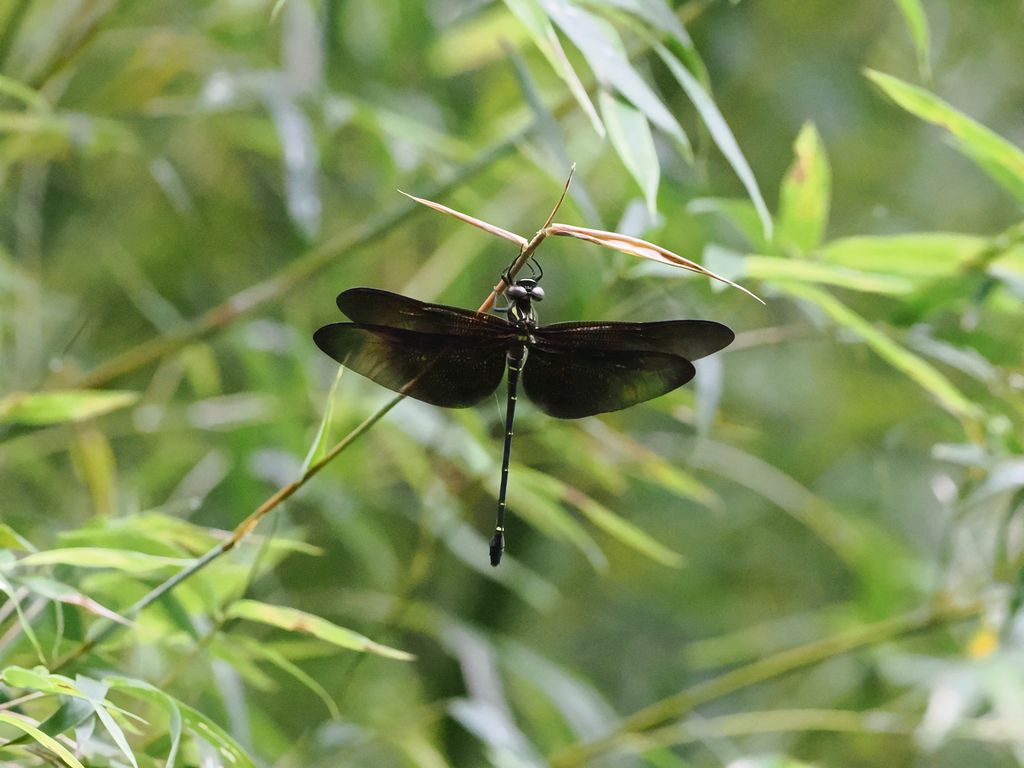
Species information Scientific name: Chlorogomphus brunneusJapanese name: カラスヤンマChinese name: 褐翅斑蜓、褐翅裂唇蜓English name: Brown-winged tiger spiketailOrigin: Japan (Shikoku, Kyushu), Amami Oshima, Tokunoshima, Okinawajima, Kerama Islands Ecology and description This species is a large dragonfly. Males have nearly transparent wings, while females have deep brown wings and are often seen flying swiftly in the upper reaches of streams.… Continue reading Brown-winged Tiger Spiketail
Oshima Cicada
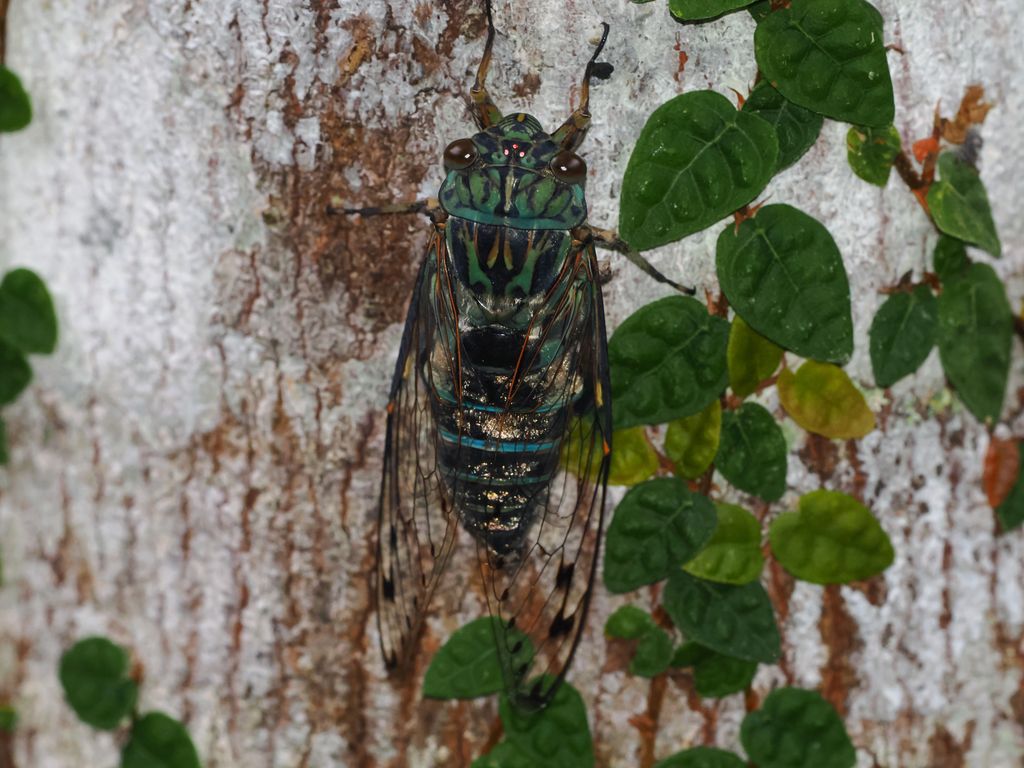
Species information Scientific name: Meimuna oshimensisJapanese name: オオシマゼミChinese name: 大島寒蟬English name: Oshima cicadaOrigin: Amami Oshima, Tokunoshima, Okinawajima, Kumejima Ecology and description Oshima cicada is the most representative autumn cicada in Yambaru and is the largest species among the Japanese Meimuna. Its habitat ranges from Amami Oshima to Okinawajima, with the specific name Oshimensis referring to… Continue reading Oshima Cicada
Forest Quaker
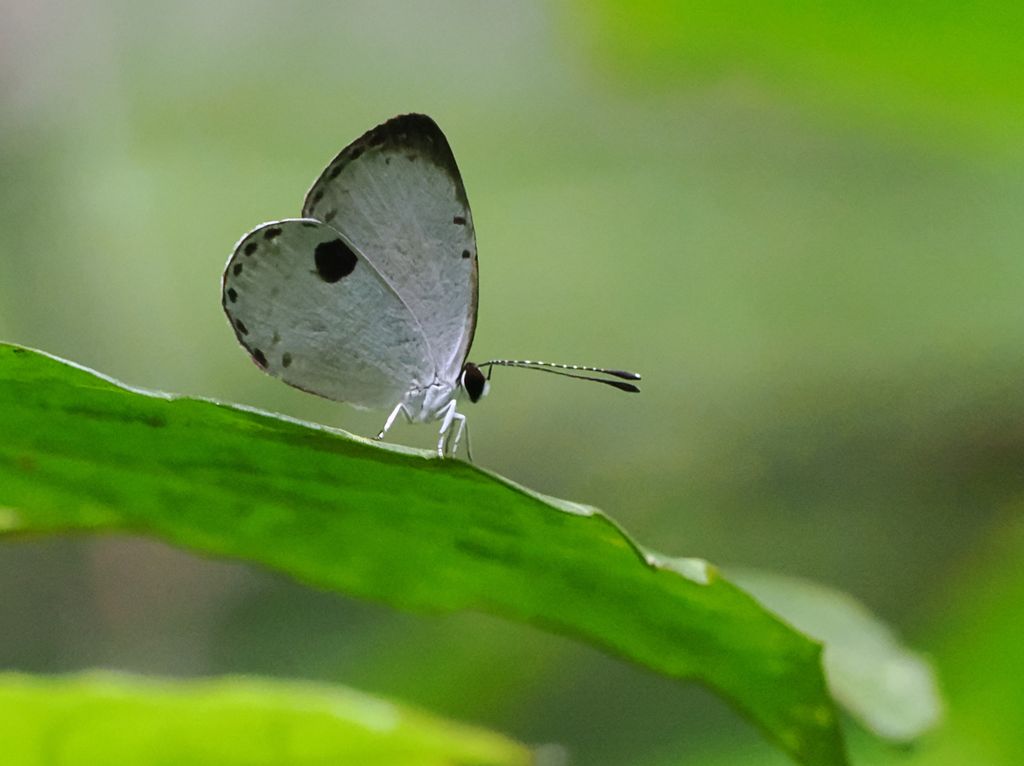
Species information Scientific name: Pithecops corvusJapanese name: リュウキュウウラボシシジミChinese name: 黑丸灰蝶English name: Forest Quaker, Pithecops corvusOrigin: Southeast Asia, southern China, Taiwan. In Japan, it is only found on Okinawajima and Iriomote. Ecology and description Forest Quaker is a small lycaenid butterfly, characterized by a black circular spot on its hindwings. The larvae feed on plants of… Continue reading Forest Quaker
Ryukyu Blue Banded Bee
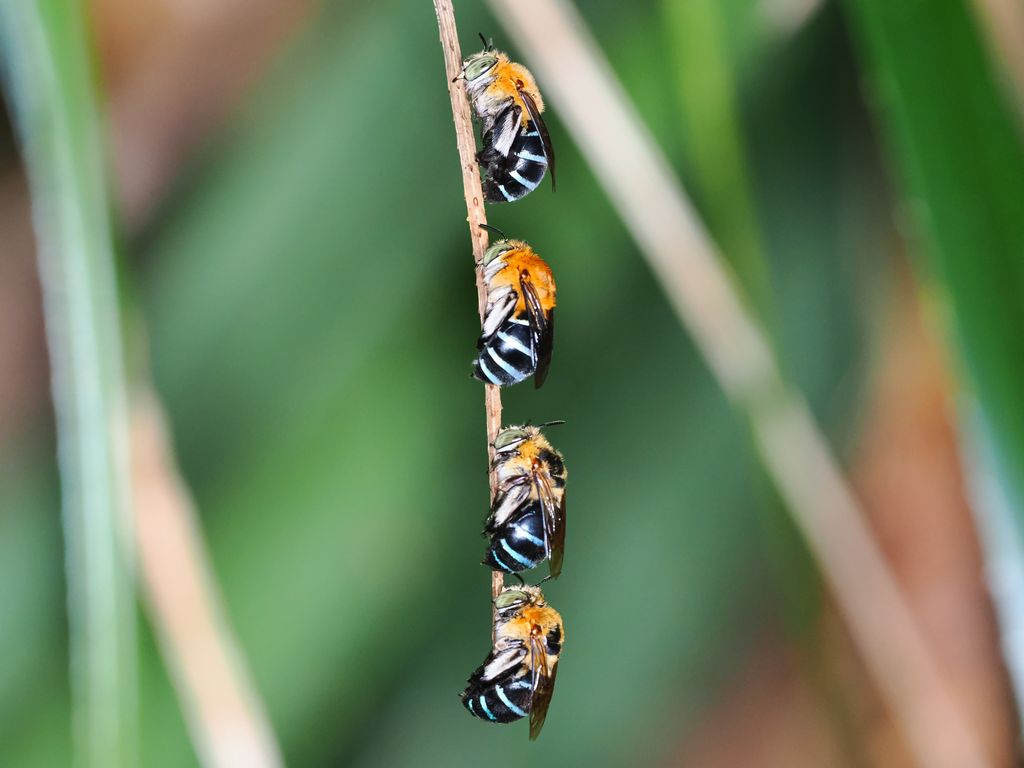
Species information Scientific name: Amegilla calceiferaJapanese name: アオスジコシブトハナバチChinese name: 甜無墊蜂English name: Ryukyu blue banded beeOrigin: Amami Oshima to Yonaguni Ecology and description Ryukyu blue banded bee has striking blue stripes on its abdomen and does not build beehives. Male bees rest at night by clamping onto branches with their mandibles. Field photographs taken during our… Continue reading Ryukyu Blue Banded Bee
Ryukyu Damselfly
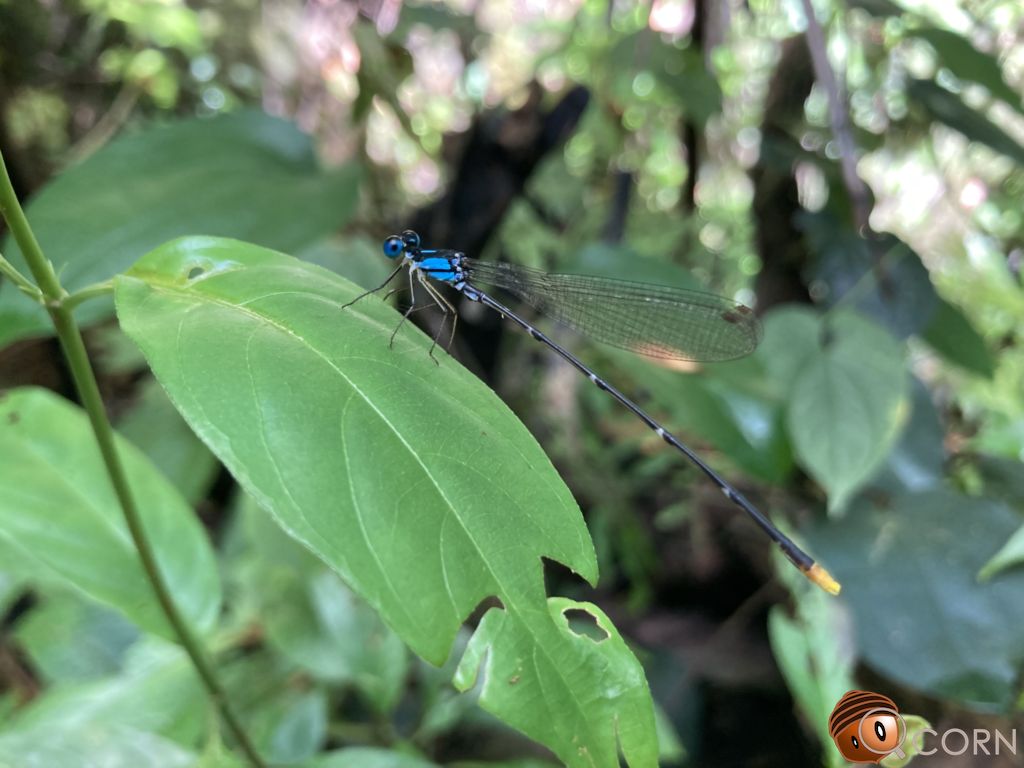
Species information Scientific name: Coeliccia ryukyuensis ryukyuensisJapanese name: リュウキュウルリモントンボChinese name: 琉球琵蟌、琉球琵蟌沖繩亞種English name: Ryukyu damselfly, Coeliccia ryukyuensis ryukyuensisOrigin: Okinawajima (endemic subspecies) Ecology and description This species is endemic to Okinawajima and the Amami Islands. Another subspecies is found in Amami Oshima and Tokunoshima: Amami damselfly (アマミルリモントンボ, Coeliccia ryukyuensis amamii). The 9th and 10th abdominal segments of… Continue reading Ryukyu Damselfly