Species information
Scientific name: Muda kuroiwae
Japanese name: クロイワゼミ
Chinese name: 黑岩蟬
English name: Kuroiwa cicada
Origin: Okinawajima, Kumejima
Ecology and description
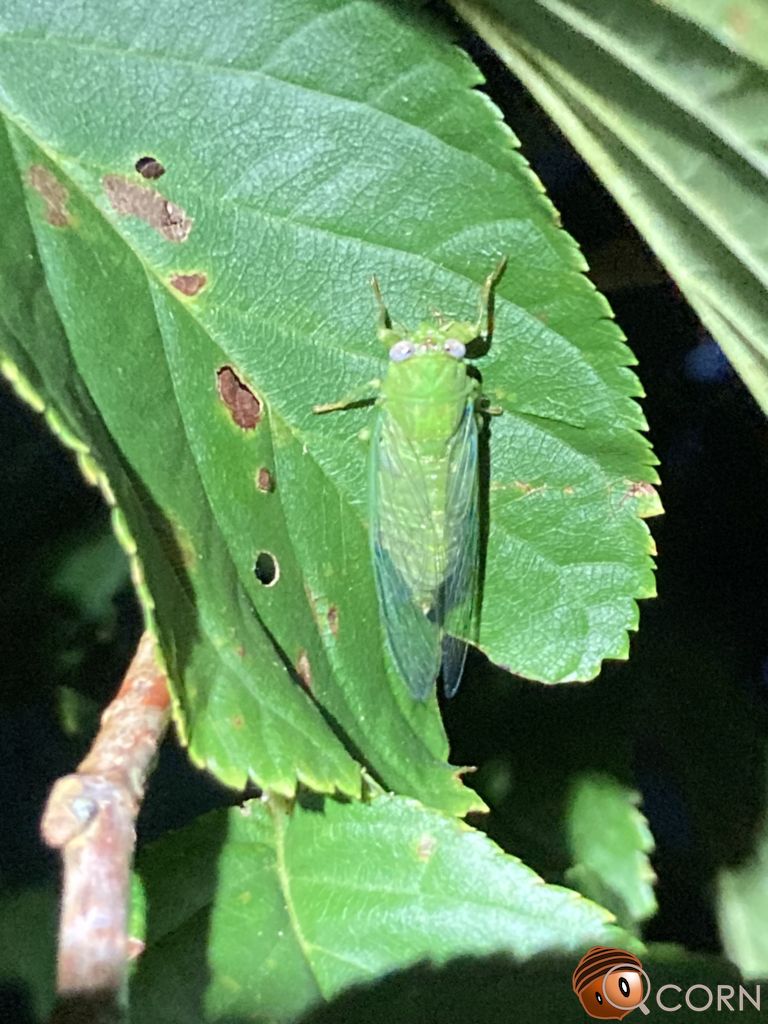
The Kuroiwa cicada is the only cicada in Japan with a green body, but it is not easy to see.
Why it is hard to find:
- It lives only on Okinawajima and Kumejima, and even on Okinawajima its range is not wide.
- Adults appear from late May to July, and sing only after sunset, for about 30 minutes each day.
- It is small and usually perches on leaves high up, with excellent camouflage.
So to find one, you first need to know where they sing, arrive before the first scattered calls after sunset, and then pinpoint individuals by sound once the chorus begins.
The species name kuroiwae, like that of Kuroiwa’s leopard gecko, honors Hisashi Kuroiwa (黒岩恒), who served as principal of the Kunigami Agricultural School.
Field photographs taken during our tours, with observation dates
Because this species sings for only a short time and has a very narrow range, the chance of finding it on our tours is low.
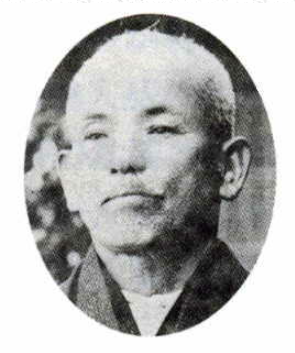
Hisashi Kuroiwa (黒岩恒, August 8, 1858 – May 25, 1930) was born in Sagawa, Kochi Prefecture, and in 1892 began teaching at the Okinawa Normal School. He supplied the scholars of his day with animal and plant specimens from Okinawa, which led to the description of many new species and new records for Japan. Both Kuroiwa’s leopard gecko and the Kuroiwa cicada were named in honor of his contributions.
In 1897 he surveyed the islands near the Senkaku group and named them the “Senkaku Islands.” From 1902 he served as principal of the Kunigami Agricultural School in Nago, and in 1915 he left Okinawa.
Kuroiwa and Tomitaro Makino, the father of Japanese plant taxonomy, were both from Sagawa, Kochi Prefecture. Makino was born in 1862, four years younger than Kuroiwa, and the two were good friends. Makino never collected in Okinawa himself, but Kuroiwa sent him plant specimens from across Okinawa:
Mr. Hisashi Kuroiwa’s Collections of Liukiu Plants.
Makino also described new species from these specimens, such as Antidesma kuroiwai (Japanese name コウトウヤマヒハツ), whose species name likewise honors Kuroiwa:
Makino Herbarium type specimen database: Antidesma kuroiwai
Reference:
クロイワゼミ Wikipedia
オキナワイキモノラボ クロイワゼミ
琉球大学博物館(風樹館)沖縄のセミ
黒岩 恒 Wikipedia
沖縄県立北部農林高校同窓会
ツマグロゼミを発見した黒岩恒氏について