Species information
Scientific name: Zhangixalus viridis
Japanese name: オキナワアオガエル
Chinese name: 沖繩樹蛙
English name: Okinawa tree frog
Origin: Okinawajima, Iheyajima, Kumejima
Ecology and description
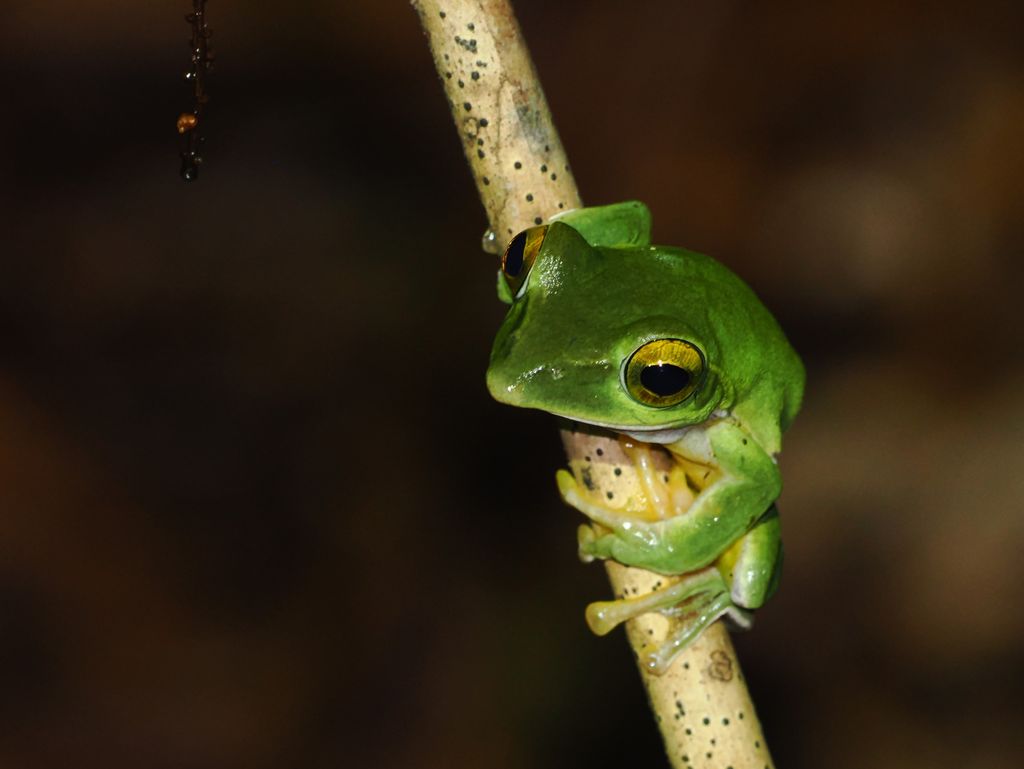
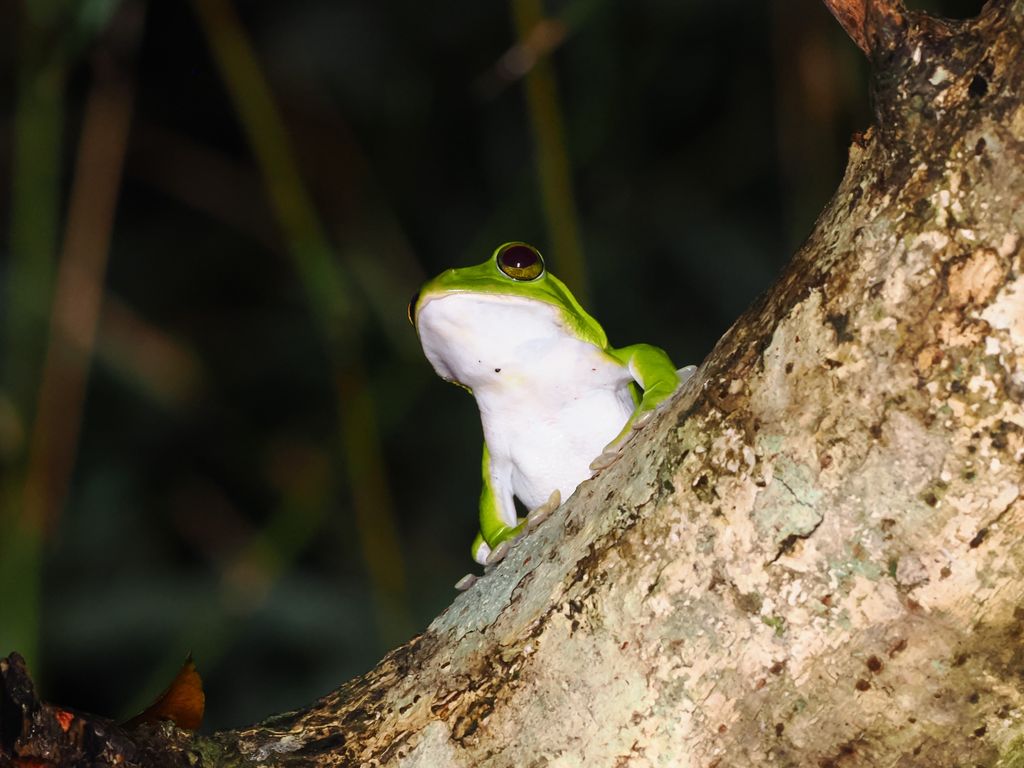
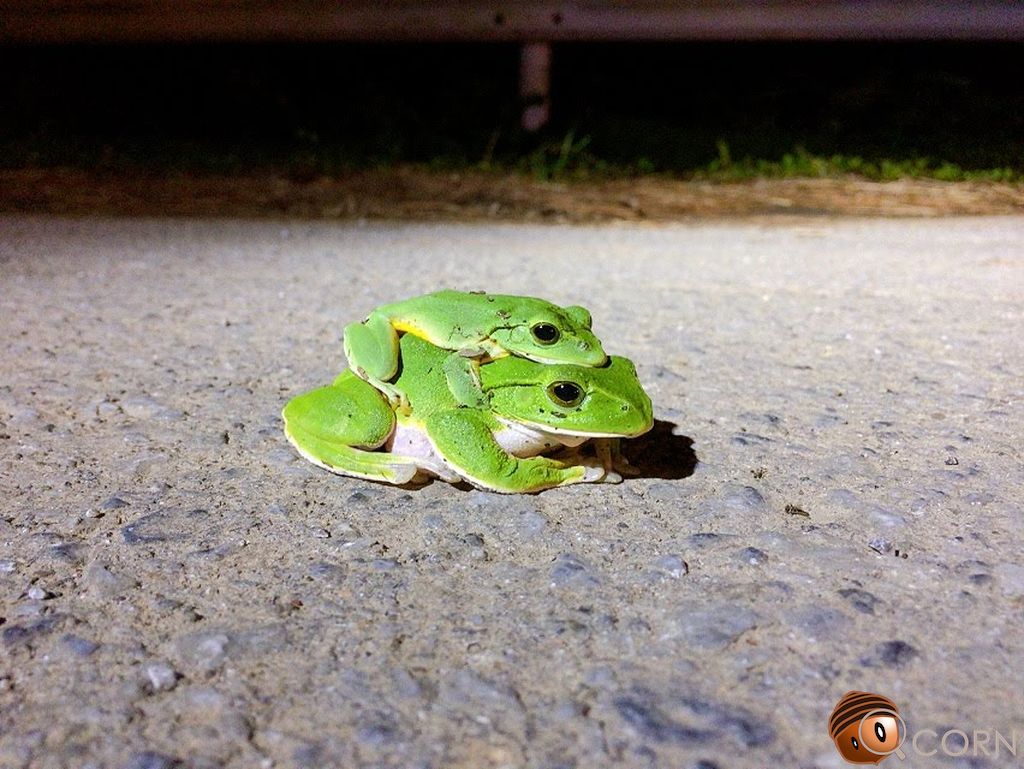
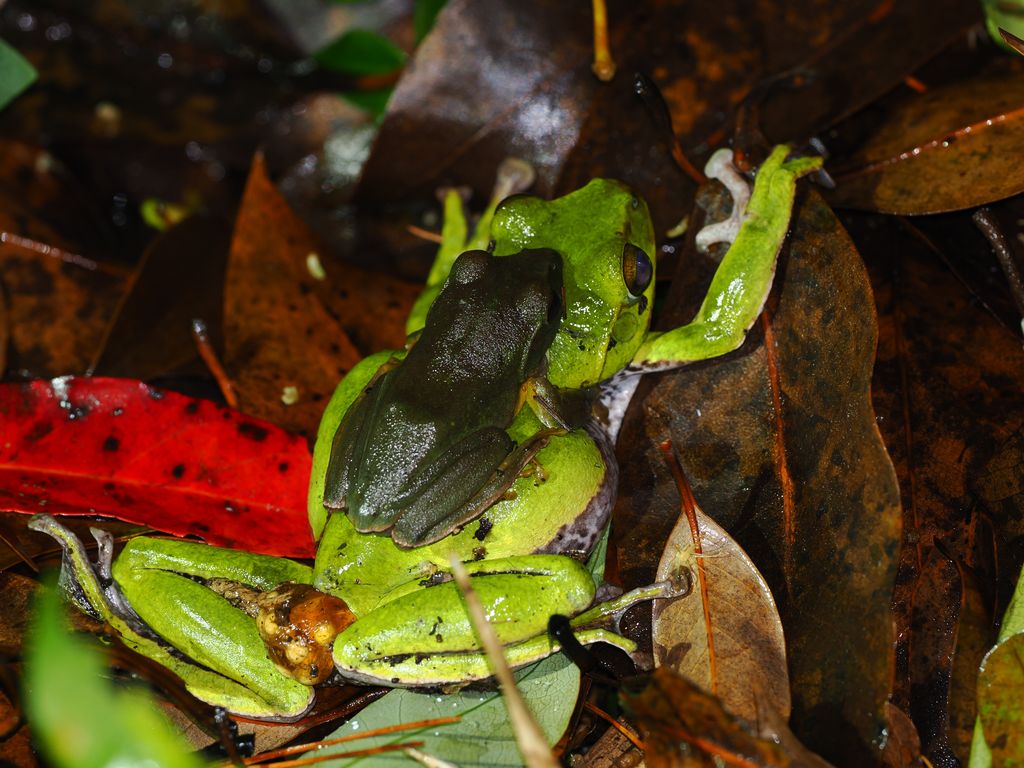
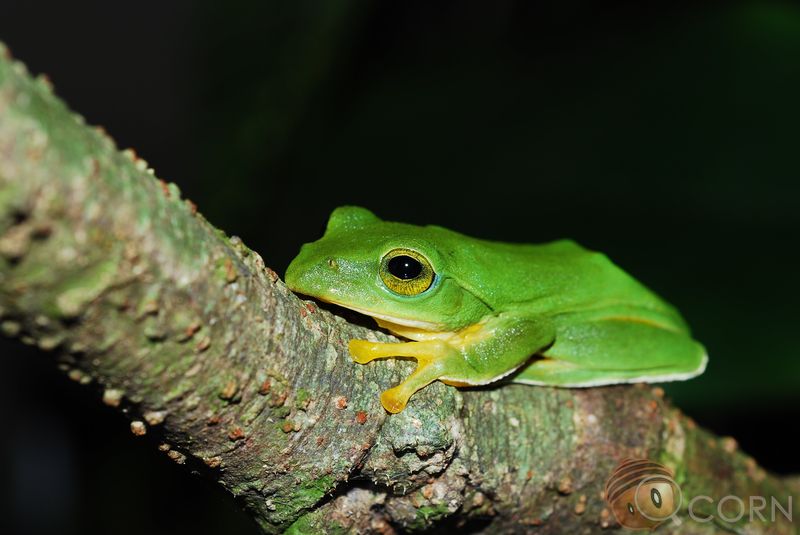
From November to May, the breeding calls of Okinawa tree frog can often be heard in the mountains of Okinawa. Males have yellow bellies, while females have white bellies, and the size difference between the two is significant, making them easy to distinguish.
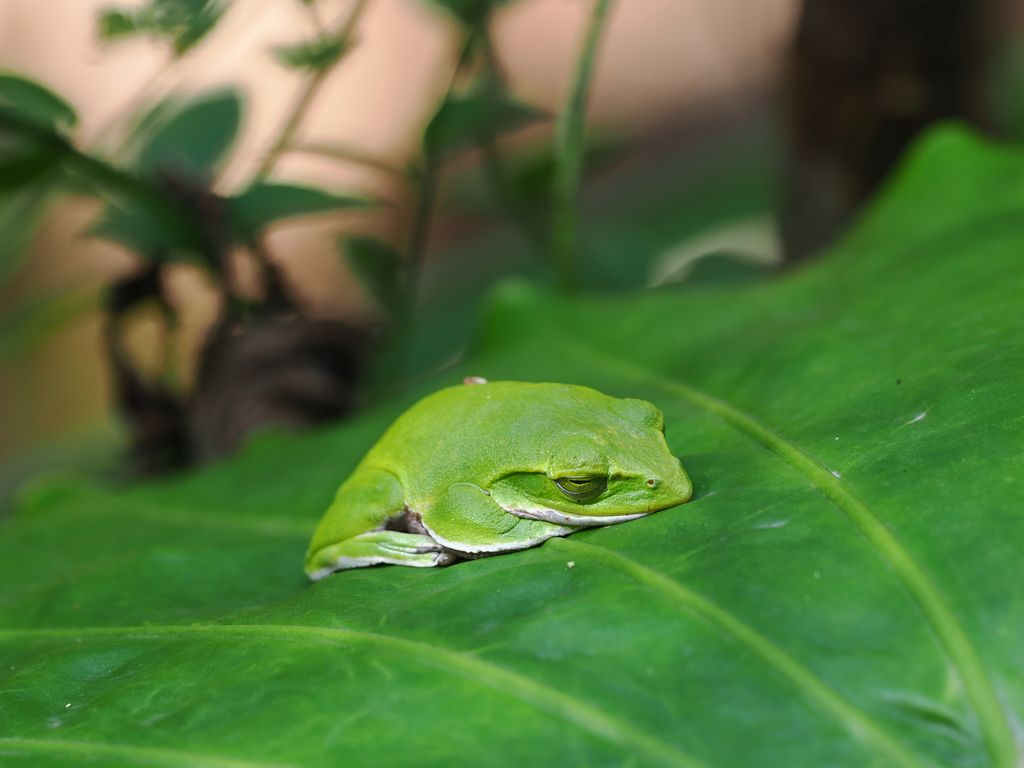
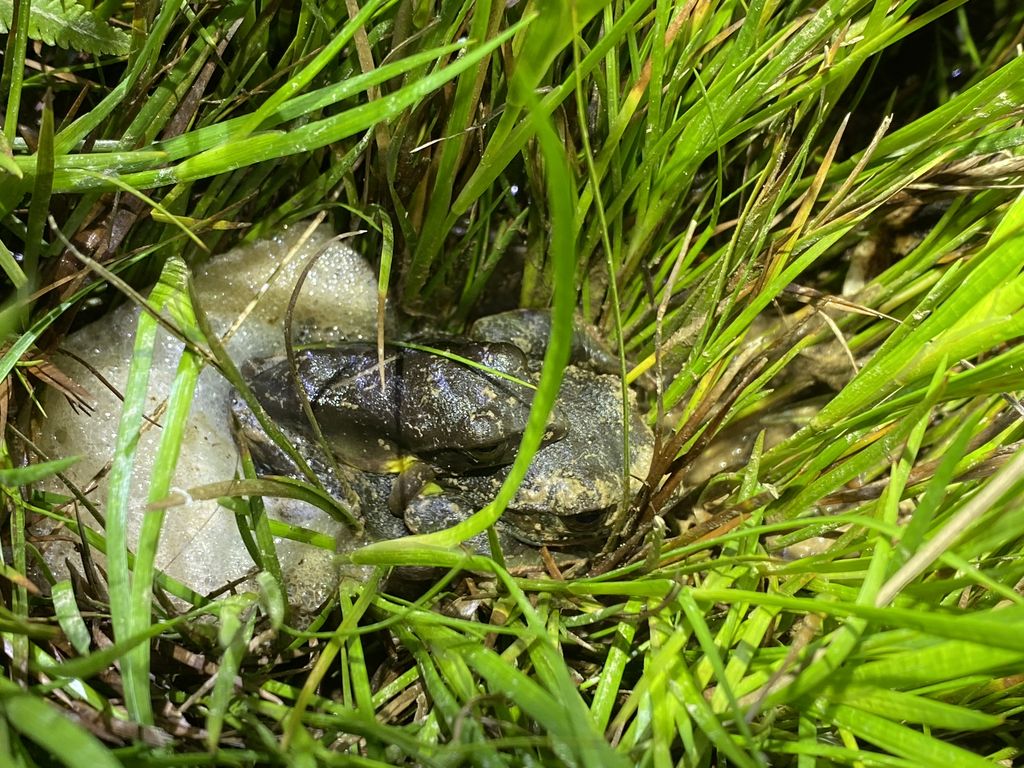
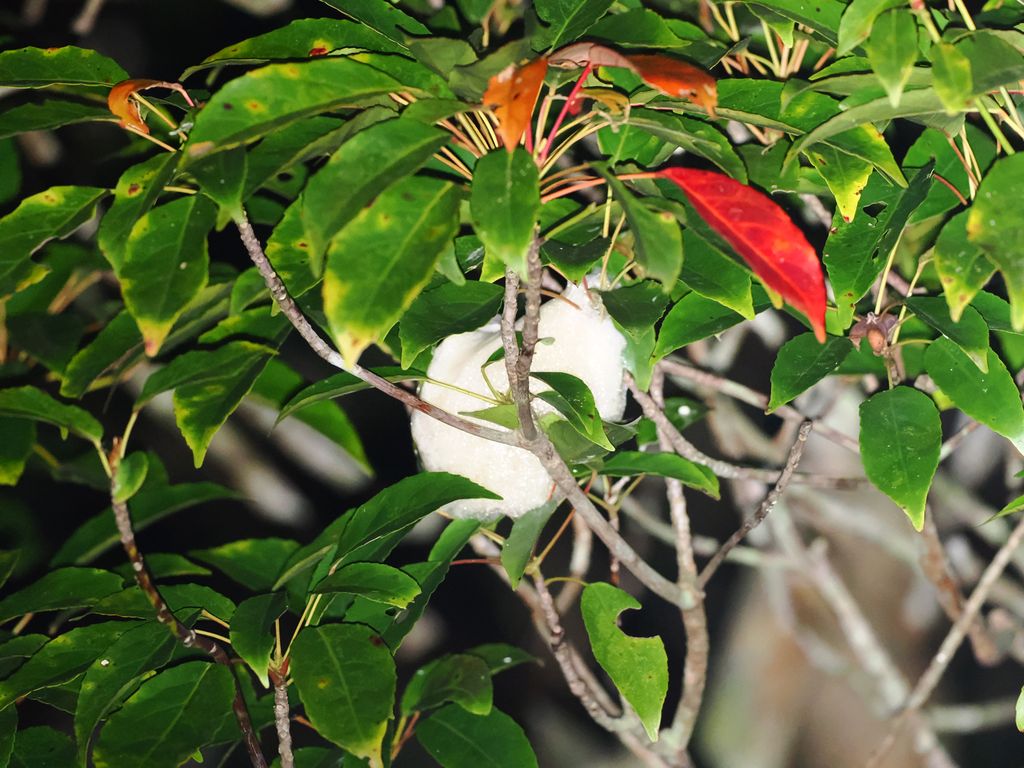
Okinawa tree frog may lay eggs on the ground or in trees. On our tours, we’ve observed Okinawa tree frog laying eggs on the ground. Their bodies are often olive green or brown, possibly indicating that their color becomes more aligned with the ground’s background after being there for a while, although I haven’t seen the color change process of the same individual in the same location.
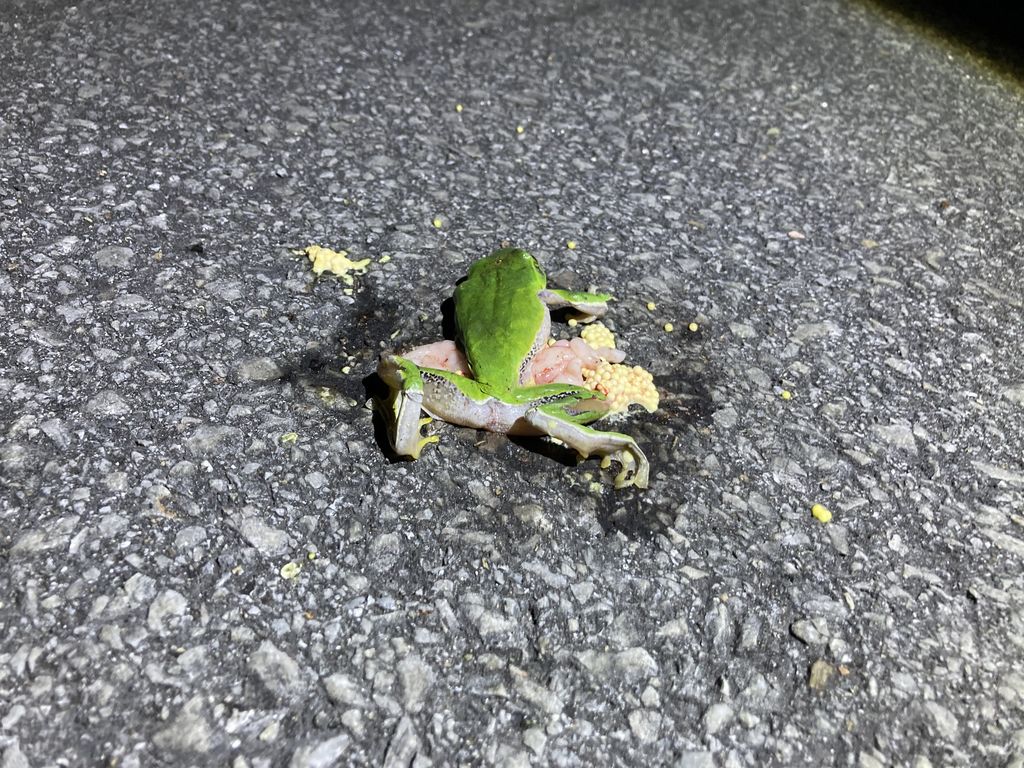
During the active breeding season in winter, Okinawa tree frog frequently move from trees to roads, making them susceptible to being killed by vehicles.
Field photographs taken during our tours, with observation dates
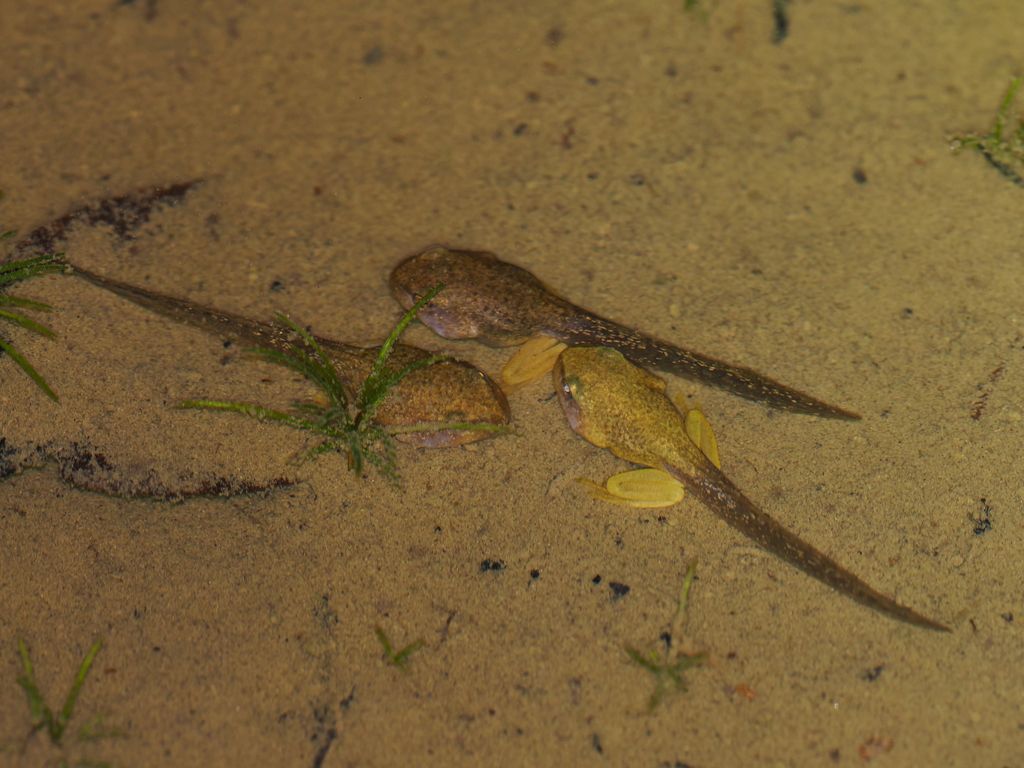
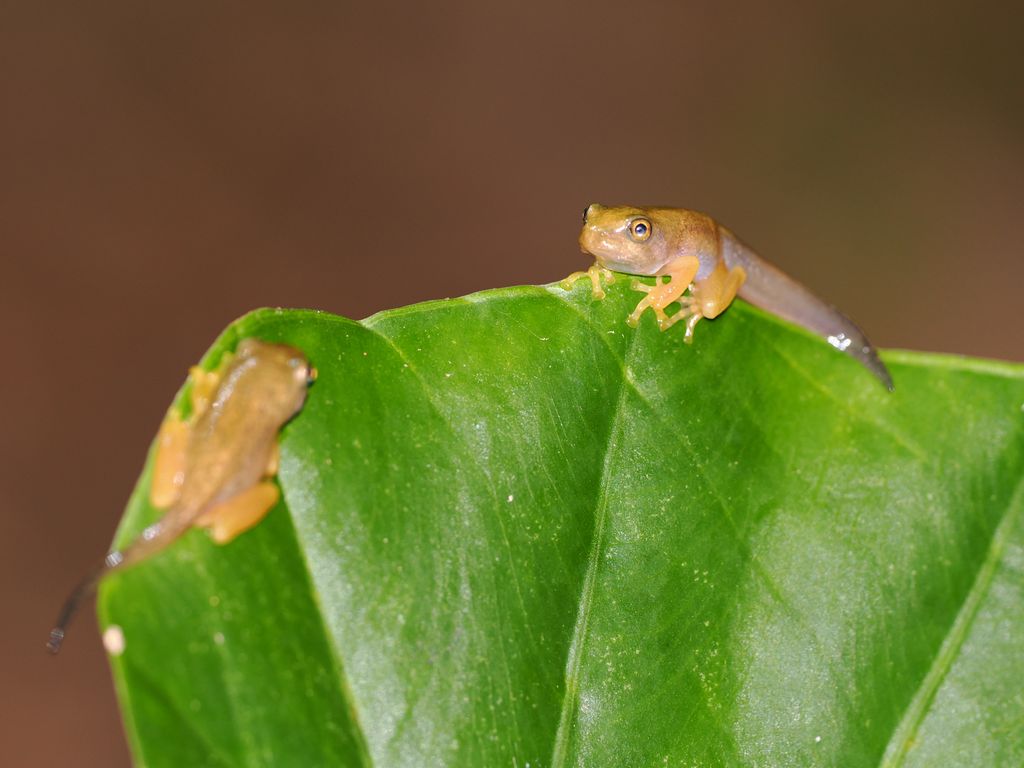
During the 【Herping】 tour in the winter season, there is a high chance of seeing Okinawa tree frog, and you might even witness them laying eggs. From March to May, you can observe Okinawa tree frog tadpoles and newly metamorphosed frogs. In the 【Night Birding】 tour, you might encounter Okinawa tree frog on the road, where we relocate them to avoid them being killed by vehicles.