Species information
Scientific name: Tokudaia muenninki
Japanese name: オキナワトゲネズミ
Chinese name: 沖繩裔鼠
English name: Okinawa spiny rat
Origin: Northern Okinawajima
Ecology and description
Okinawa spiny rat’s close relatives include the Amami spiny rat (Tokudaia osimensis), found on Amami Oshima, and the Tokunoshima spiny rat (Tokudaia tokunoshimensis), found on Tokunoshima.
Among the three, the Tokunoshima spiny rat is the largest in size, Okinawa spiny rat is medium, and Amami spiny rat is the smallest.
Their sex chromosomes are very interesting and different:
- Amami spiny rat (T. osimensis 2n=25, XO/XO)
- Tokunoshima spiny rat (T. tokunoshimemsis 2n=45, XO/XO)
- Okinawa spiny rat (T. muenninki 2n=44, XX/XY)
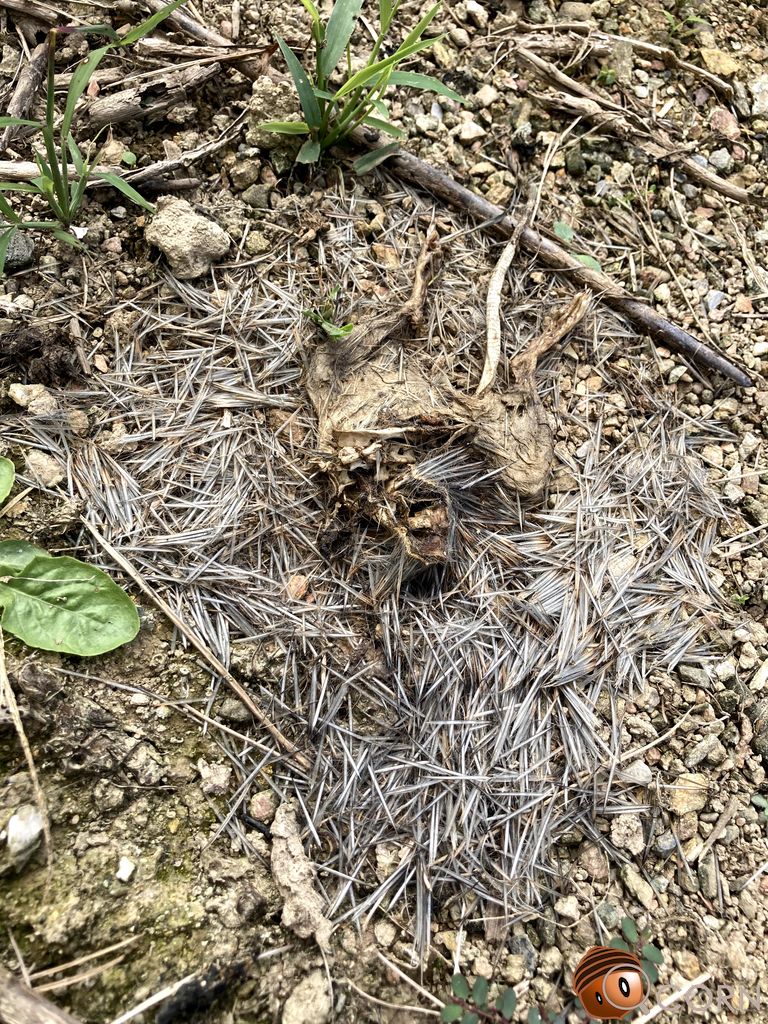
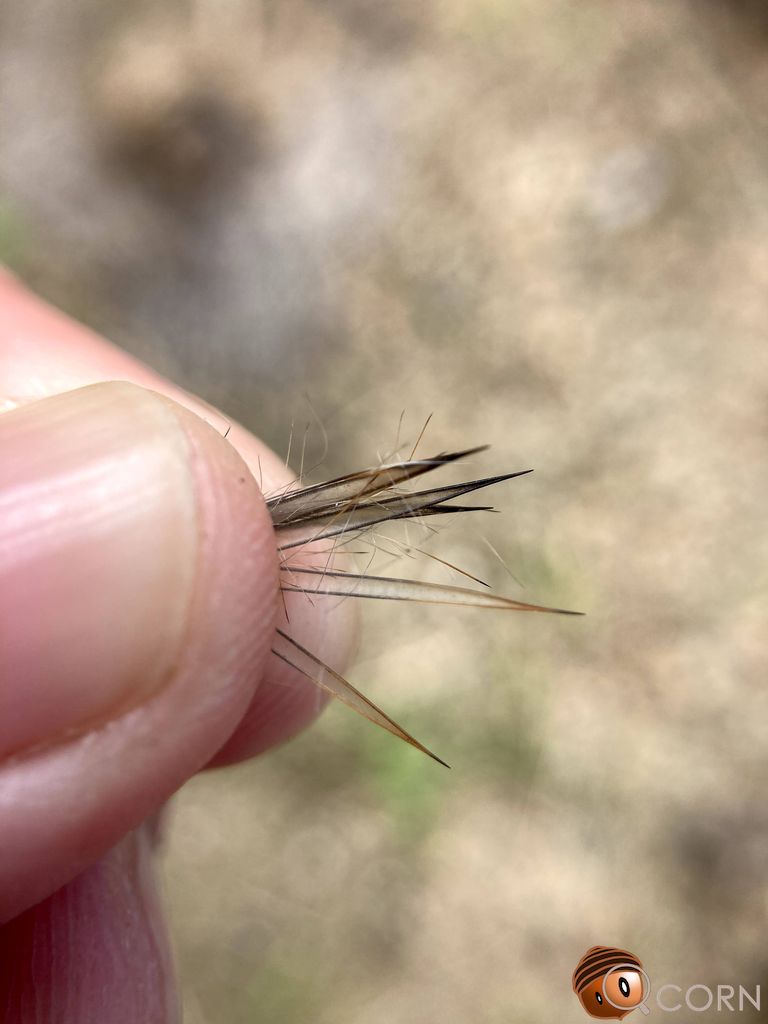
Okinawa spiny rat inhabits forests dominated by Okinawa castanopsis. The population size is unknown, and there is significant predation pressure from invasive species (feral cats and dogs). Needle-like hairs of Okinawa spiny rat are often found in the feces of captured feral cats.
Field photographs taken during our tours, with observation dates
This species is very rare and elusive, making observation difficult. I have only seen a live individual once (in the video below).
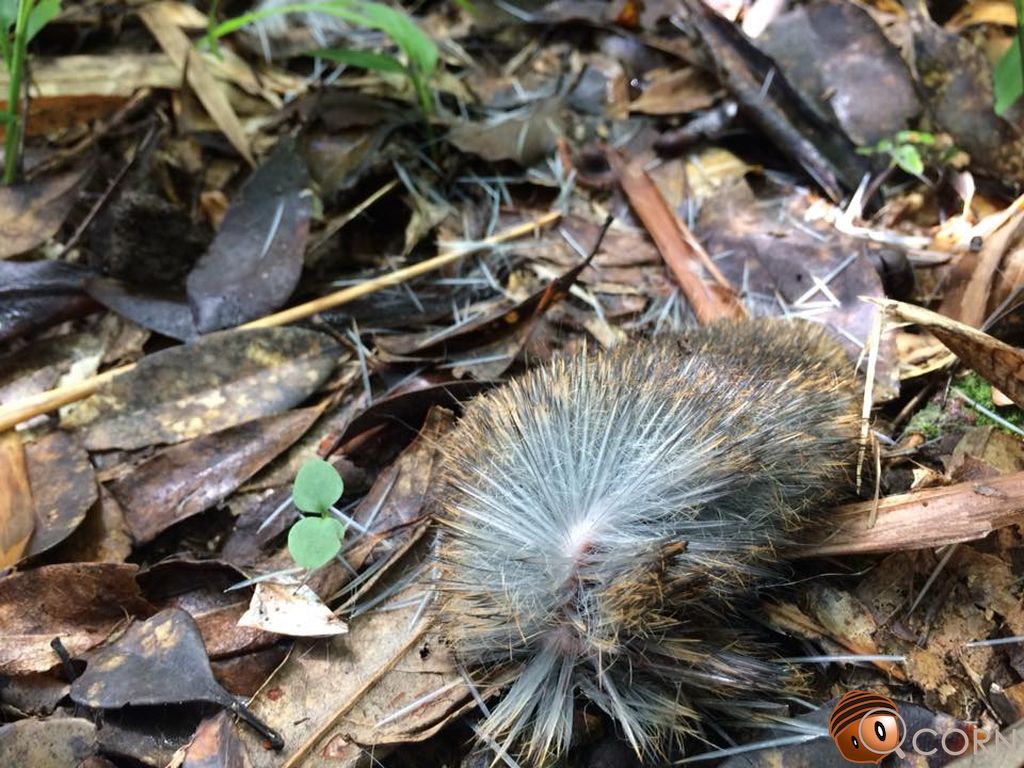
![Okinawa Spiny Rat (Tokudaia muenninki) [no date] A specimen of Okinawa spiny rat displayed at the old Ufugi Museum](https://yanbaru-guide.com/wp-content/uploads/2023/04/okinawa-toge_1024_768.jpg)
![Okinawa Spiny Rat (Tokudaia muenninki) [no date] Some of the hair of Okinawa spiny rat is flat and needle-like, possibly after being preyed upon by an owl](https://yanbaru-guide.com/wp-content/uploads/2023/04/190627-kunigami-tokudaia-muenninki-3.jpg)
![Okinawa Spiny Rat (Tokudaia muenninki) [no date] The Amami spiny rat displayed at the Amami Wildlife Conservation Center, a QR code allows viewing of an ecological video](https://yanbaru-guide.com/wp-content/uploads/2023/04/amami-museum-tokudaia-osimensis-1.jpg)
Field videos recorded during our tours
Reference materials:
Research on Chromosomes of Tokudaia Species (2014)