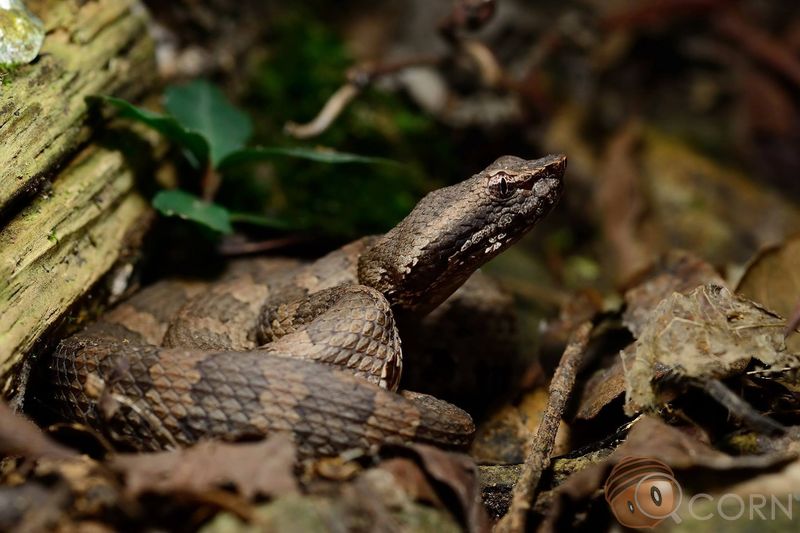
Species information
Scientific name: Ovophis okinavensis
Japanese name: ヒメハブ
Chinese name: 姬波布, 沖繩烙鐵頭
English name: Himehabu, Okinawa pit viper
Origin: Okinawa Islands (Okinawajima, Iheyajima, Iejima, Kumejima, Tokashikijima), Amami Islands (Amami Oshima, Kakeromajima, Ukejima, Yorojima, Tokunoshima)
Ecology and description
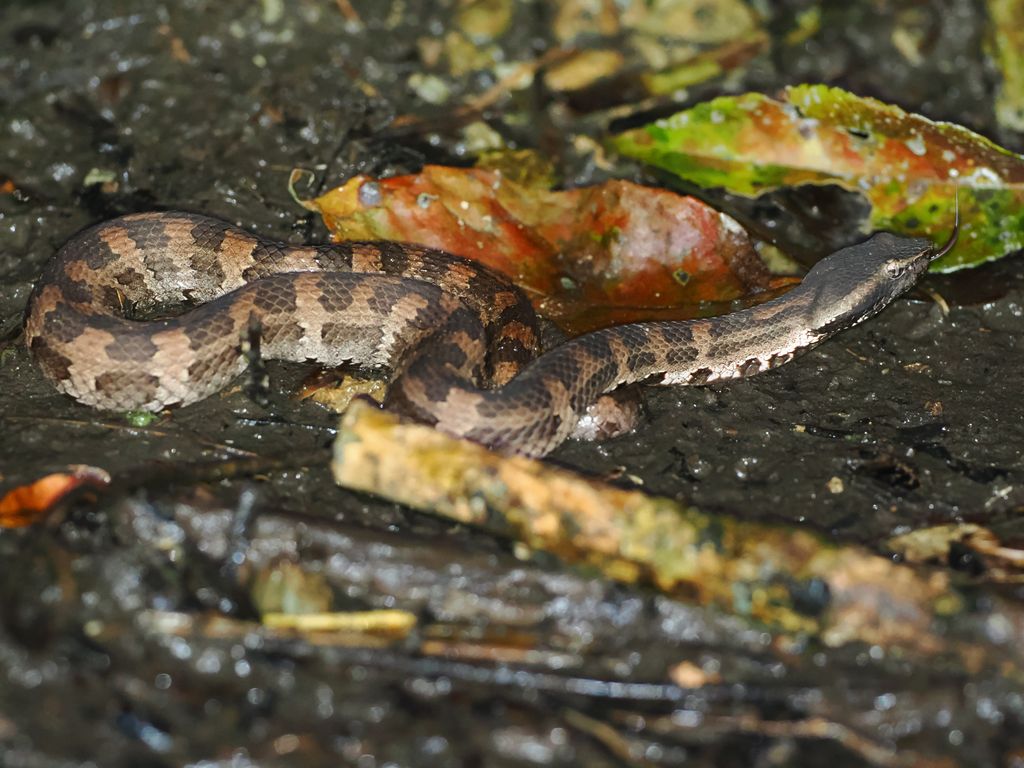
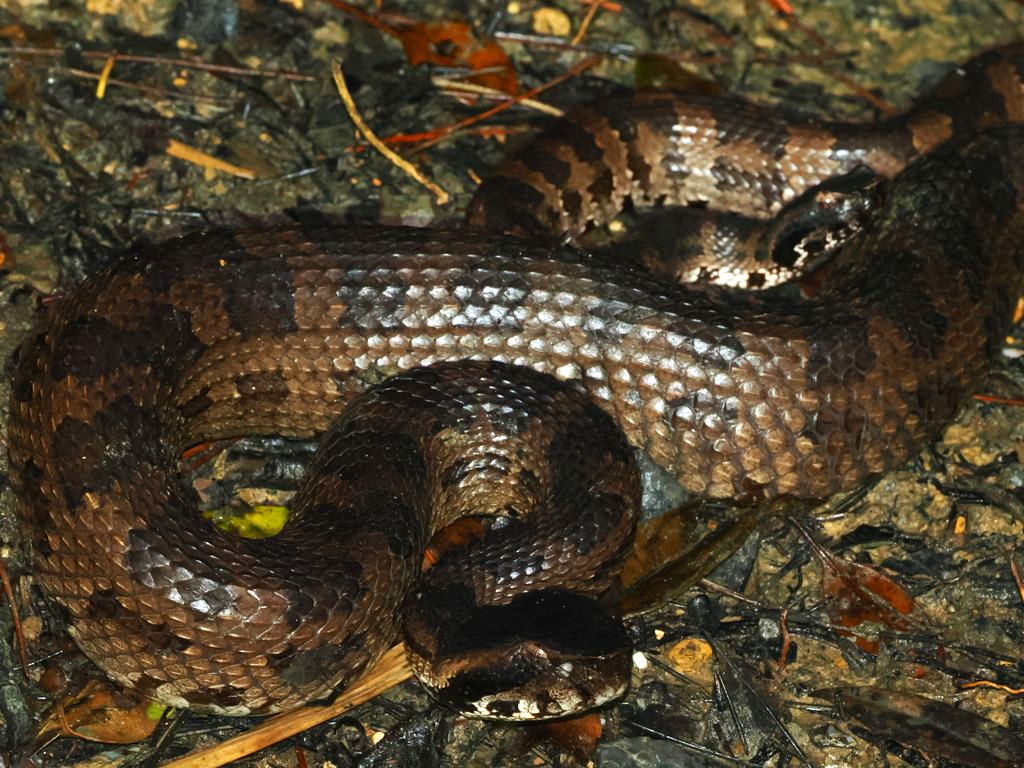
The Himehabu is a venomous snake that grows up to 80 cm in length. Its Japanese name, “Himehabu,” includes the word “hime,” meaning “small,” reflecting its smaller size compared to the Habu viper. Despite its name, the Himehabu belongs to a different genus than the true Habu and is classified under Ovophis. When observing mating pairs, a significant size difference can often be seen between mature males and females.
Although venomous, the Himehabu’s venom is relatively weak and rarely fatal. However, a bite still requires immediate medical attention. Its coloration closely resembles leaf litter and the forest floor; since it often remains motionless, it is easily overlooked without careful observation.
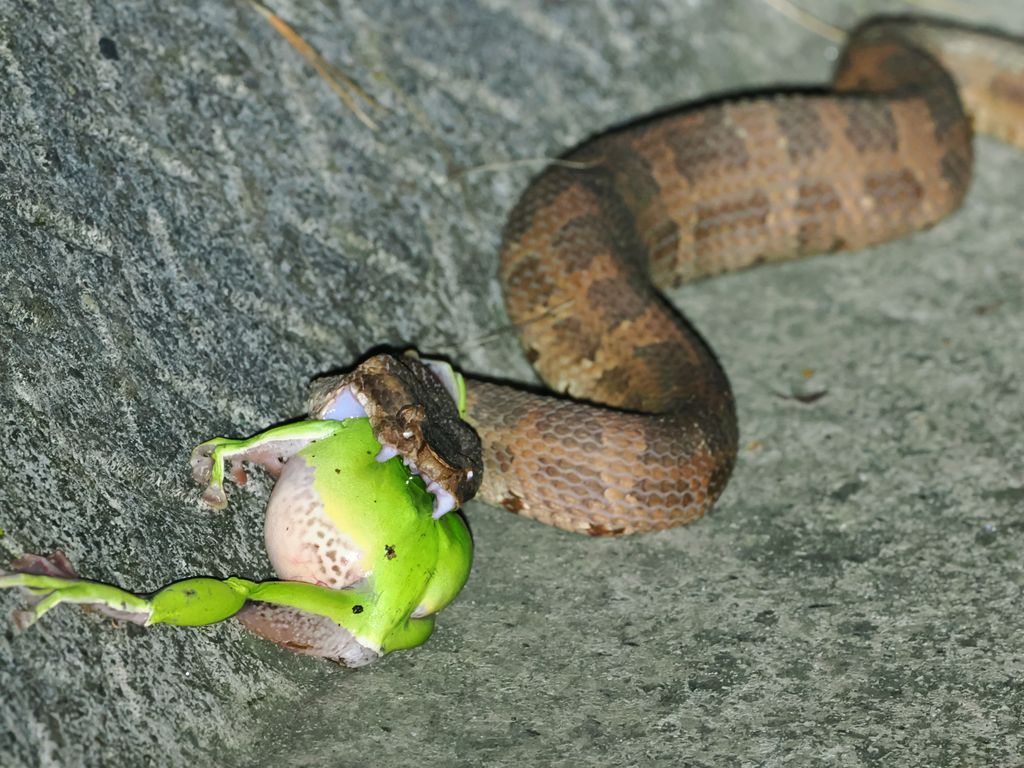
The Himehabu primarily preys on frogs. Unlike many other snakes that become inactive during winter, this species actively hunts at frog breeding sites, even entering cold streams to find prey. From winter to early spring, during the breeding seasons of the Ryukyu brown frog, Ryukyu kajika frog, Okinawa tree frog, and Hallowell’s tree frog, Himehabu are commonly seen near these sites. However, they appear to avoid eating Okinawa sword-tailed newts, often ignoring them even when in close proximity.
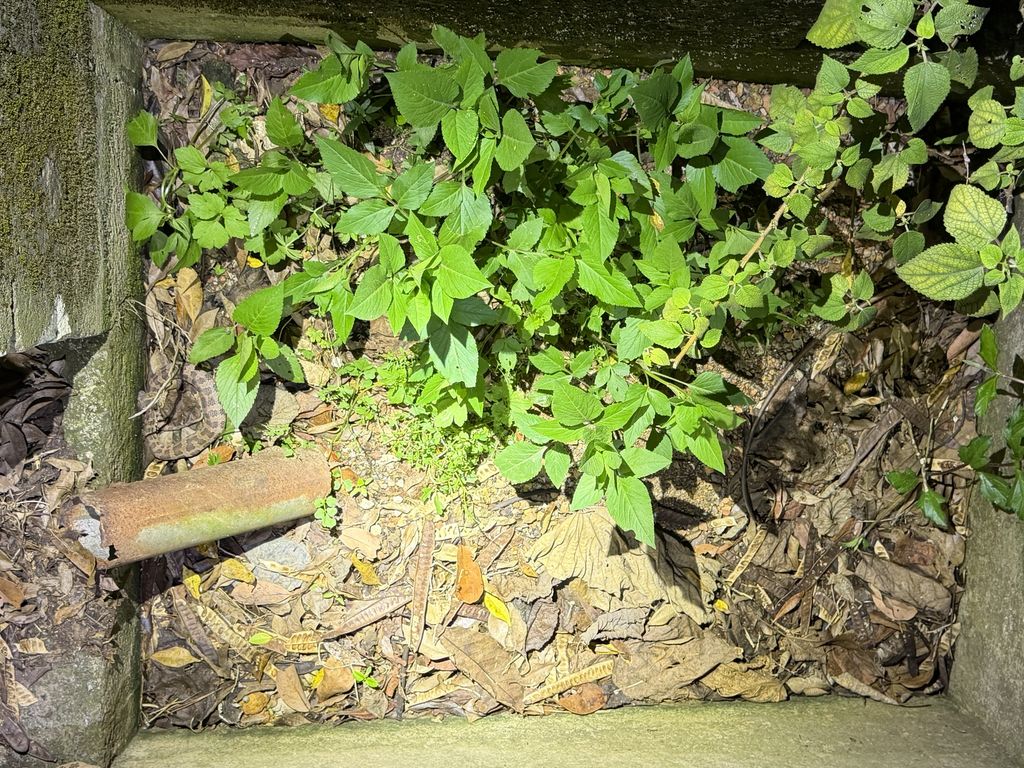
Field photographs taken during our tours, with observation dates
There is a high chance of spotting Himehabu during the 【Herping】 tour in winter and spring. In particular, mating pairs can be observed around late February; on one occasion, as many as nine individuals were seen near a pond at the same time.