Species information
Scientific name: Rinaca japonica ryukyuensis
Japanese name: クスサン
Chinese name: 雙黑目天蠶蛾(琉球亞種)
English name: Okinawa giant silkworm
Origin: Amami Oshima, Tokunoshima, Okinawajima
Ecology and description
The Rinaca japonica species is divided into three subspecies based on their distribution:
- Rinaca japonica japonica: Distributed north of Yakushima.
- Rinaca japonica ryukyuensis: Found in Amami Oshima, Tokunoshima, and Okinawajima.
- Rinaca japonica arisana: Distributed in Taiwan.
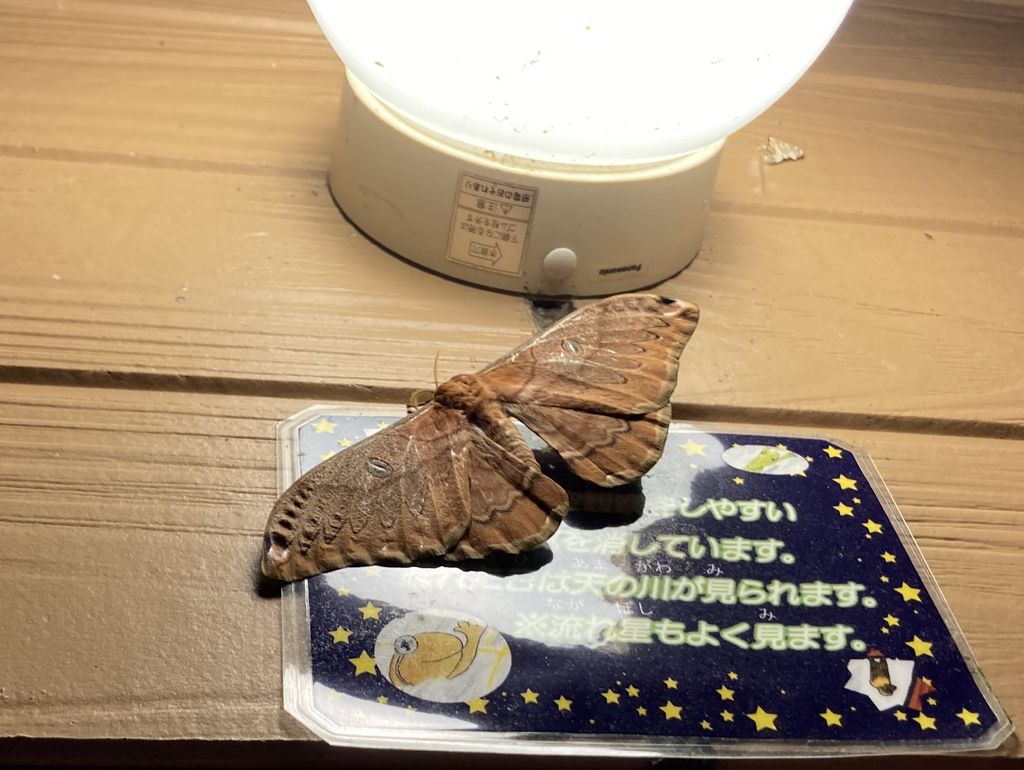
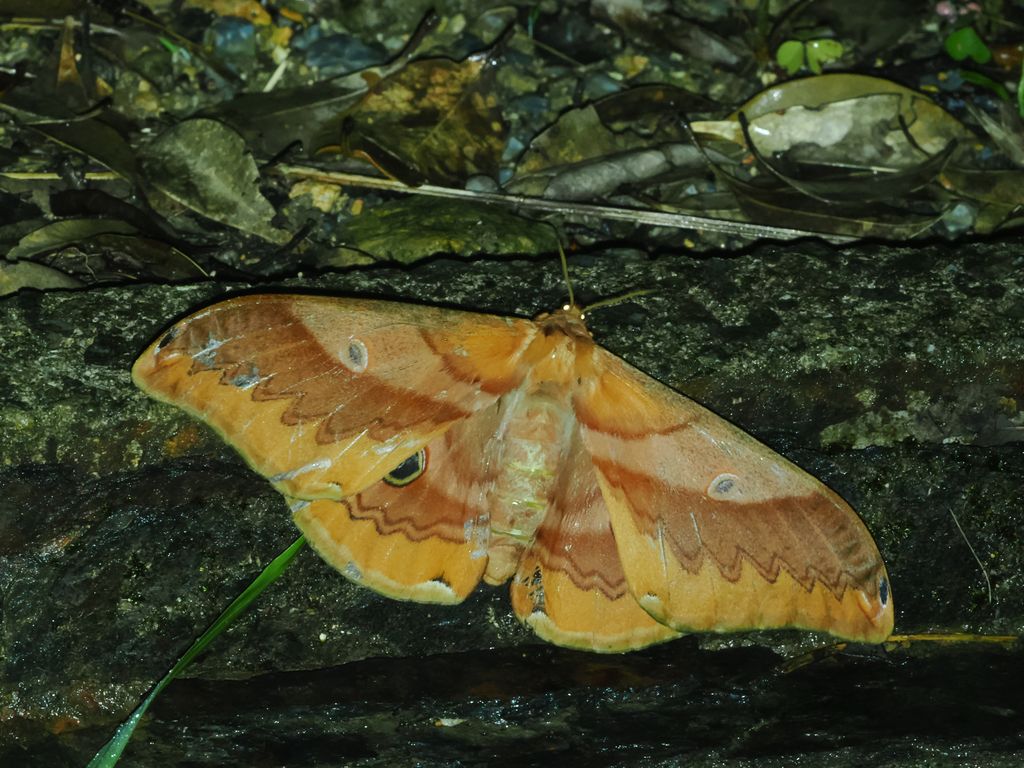
The adults of the Ryukyu subspecies have a darker color than the mainland subspecies. Although the Japanese name クスサン (Camphor silkworm) suggests a specific diet, the larvae are actually generalists and feed on a wide variety of plants, not just those in the genus Cinnamomum.
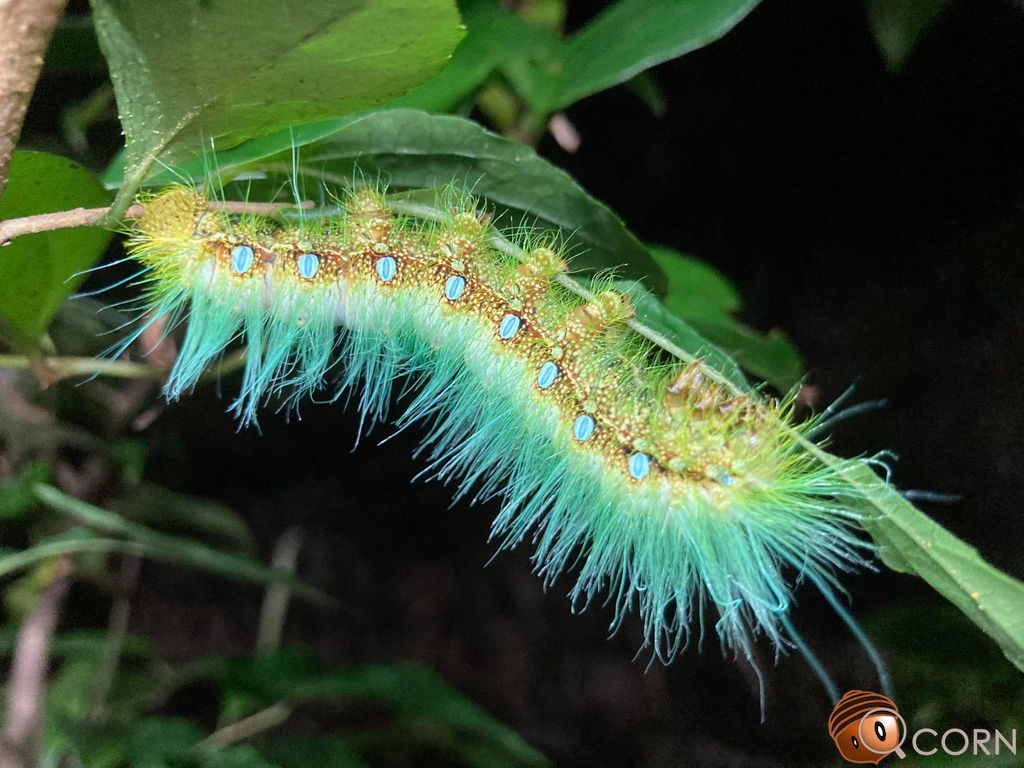
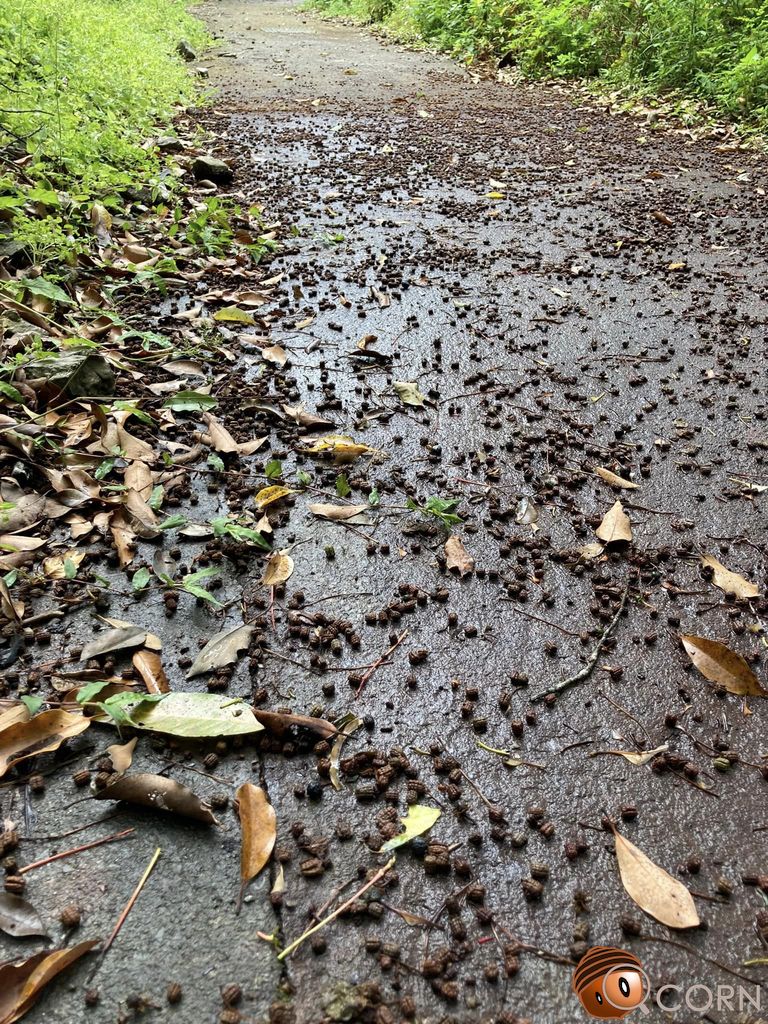
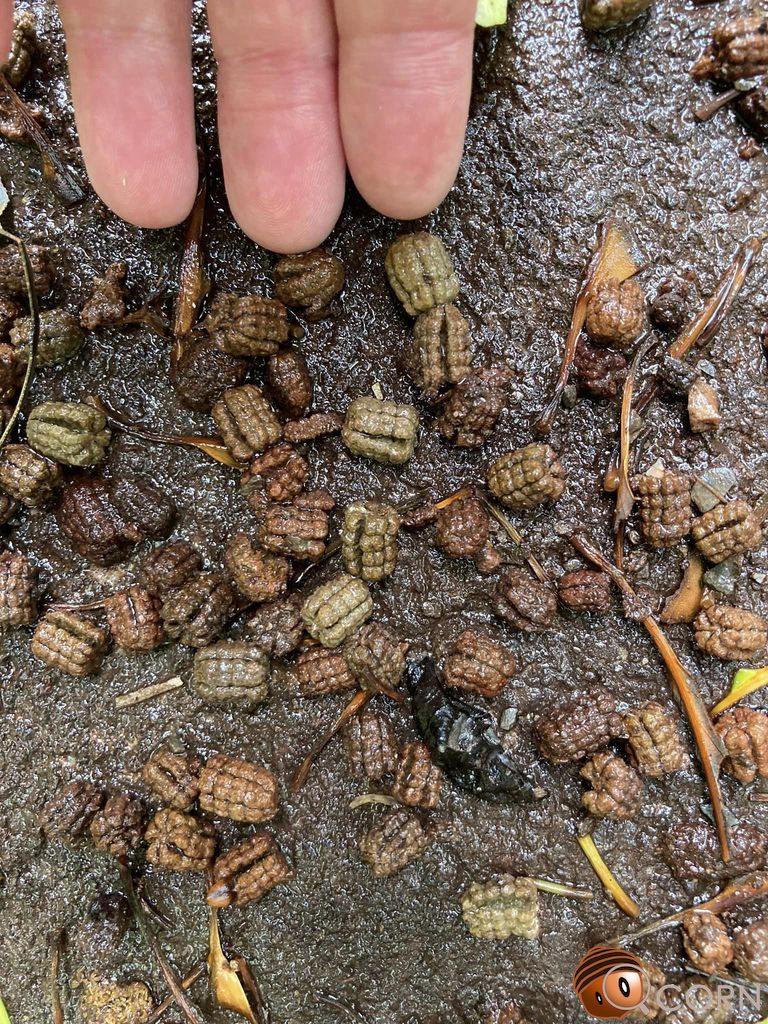
The larvae are common in April, and during a population outbreak, they can completely defoliate an entire tree. These larvae have long, blue-green hairs and blue spiracles. Despite their appearance, they do not have stinging hairs and are safe to touch. The adults have two large black eyespots on the hindwings.
Reference:
- https://www.zukan.earth/descriptions/1/505177
- Systematics and Biogeography Reciprocally Illuminate Taxonomic Revisions in the Silkmoth Genus Saturnia (Lepidoptera: Saturniidae)
- Checklist of Moths in the Ryukyus
Field photographs taken during our tours, with observation dates
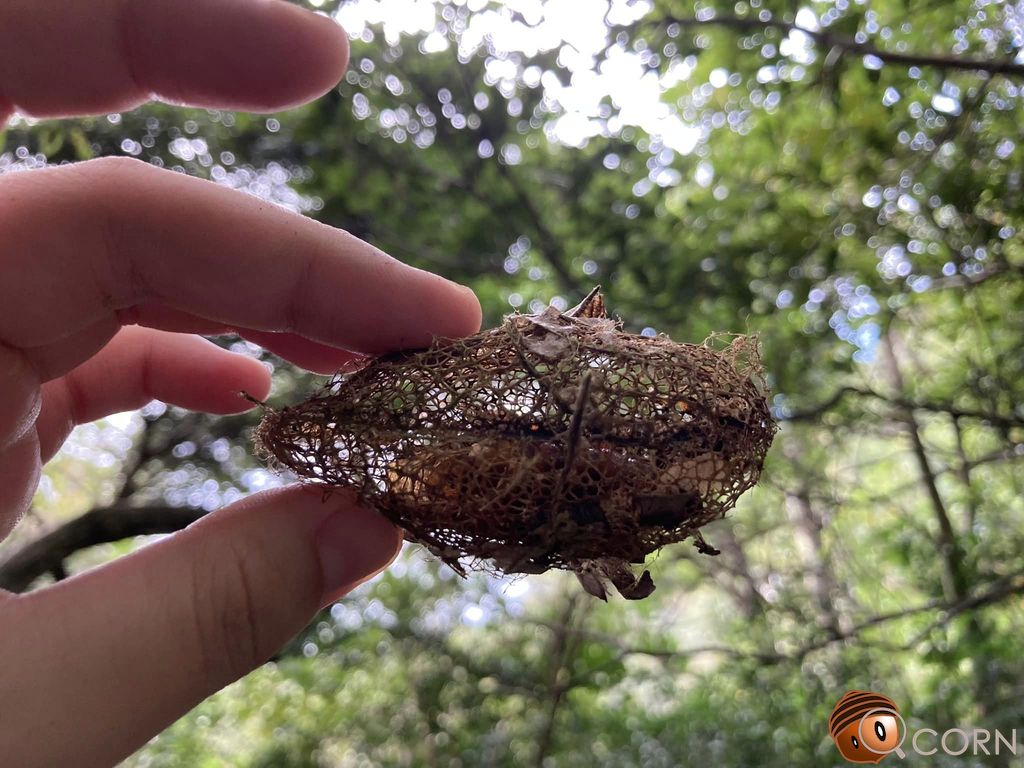
During 【Herping】 tours in April and May, there is a chance to see the larvae, while adults may be seen in October. The adults are attracted to light and can often be found near building lights.