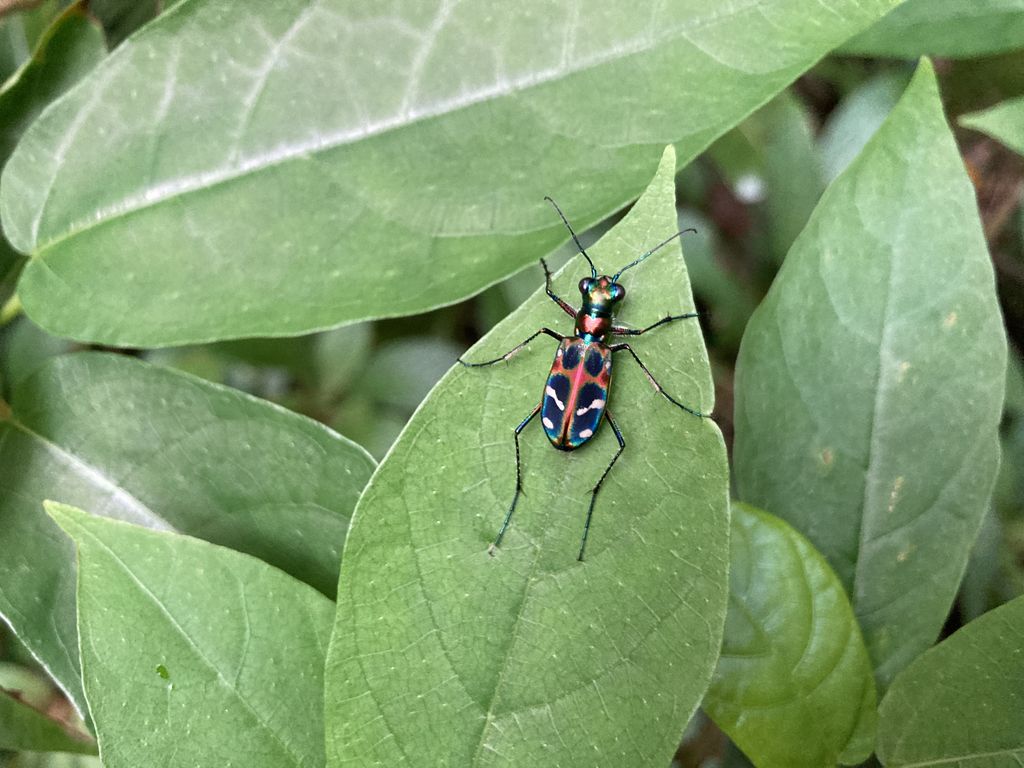
Species information Scientific name: Sophiodela okinawanaJapanese name: オキナワハンミョウChinese name: 沖繩虎甲蟲English name: Okinawa tiger beetleOrigin: Okinawajima Ecology and description This species is an endemic tiger beetle of Okinawa, with populations on Ishigaki Island being artificially introduced. Tiger beetles are carnivorous insects that prey on ants, earthworms, and other small creatures. Field photographs taken during our tours,… Continue reading Okinawa Tiger Beetle
Author: YambaruWanyu
Ryukyu Fishing Spider
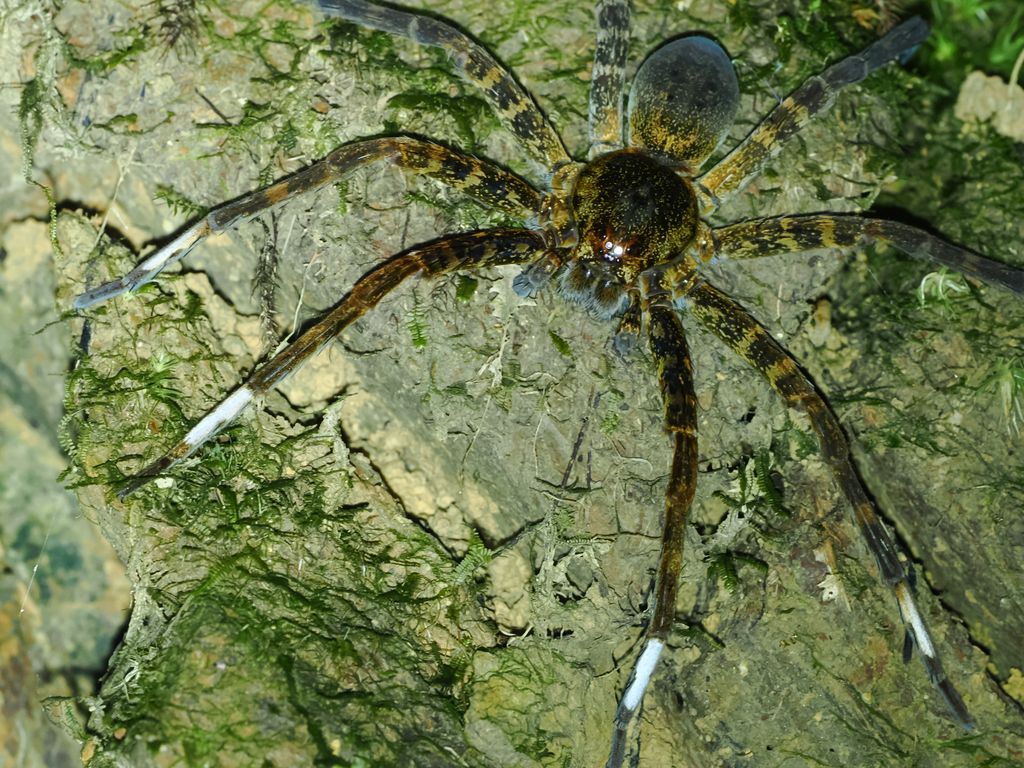
Species information Scientific name: Dolomedes orionJapanese name: オオハシリグモChinese name: 大狡蛛English name: Ryukyu fishing spiderOrigin: Tokara Islands, Amami Oshima, Tokunoshima, Okinawajima, Tokashikijima, Kumejima Ecology and description Ryukyu fishing spider is the largest hunting-type spider in Japan, and it hunts by the waterside without building a web. Ryukyu fishing spider lightly touches the water surface with its… Continue reading Ryukyu Fishing Spider
Grey-faced Buzzard
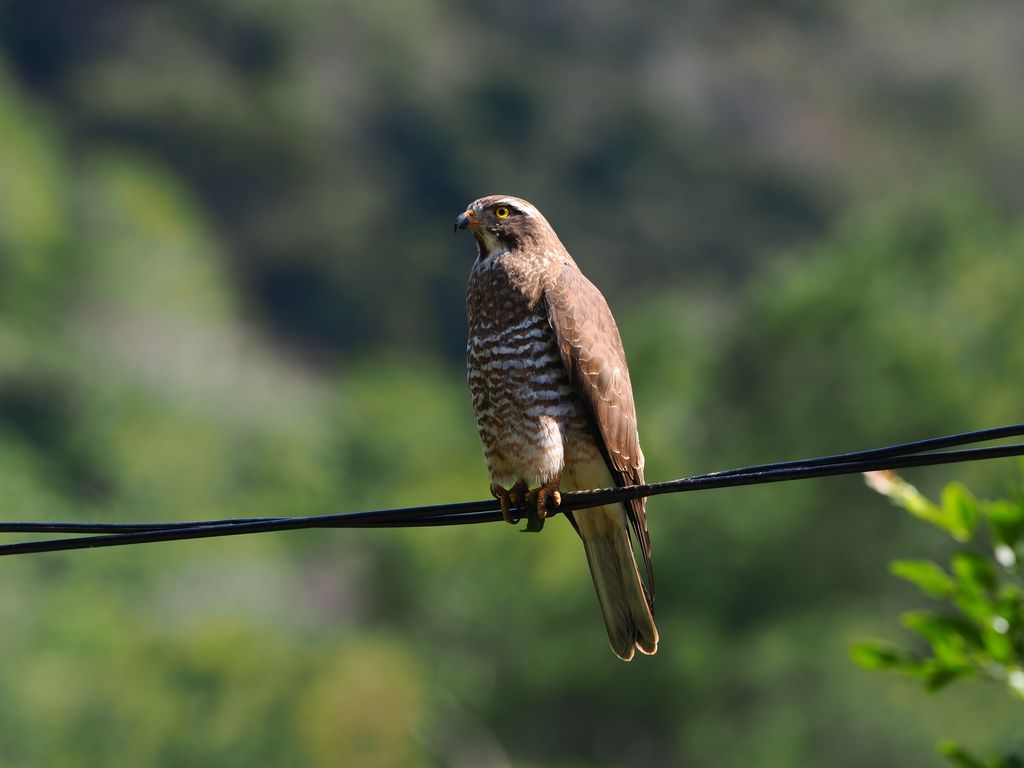
Species information Scientific name: Butastur indicusJapanese name: サシバChinese name: 灰面鵟鷹、灰面鷲English name: Grey-faced BuzzardOrigin: Breeds in Russia, China, Korea, and Honshu, Japan. Migrates to Southeast Asia for winter. Ecology and description Grey-faced Buzzard migrates through the Ryukyu Islands from breeding grounds in Honshu, Japan, and other regions, heading to Southeast Asia by early October. Flocks of… Continue reading Grey-faced Buzzard
Ryukyu Minivet
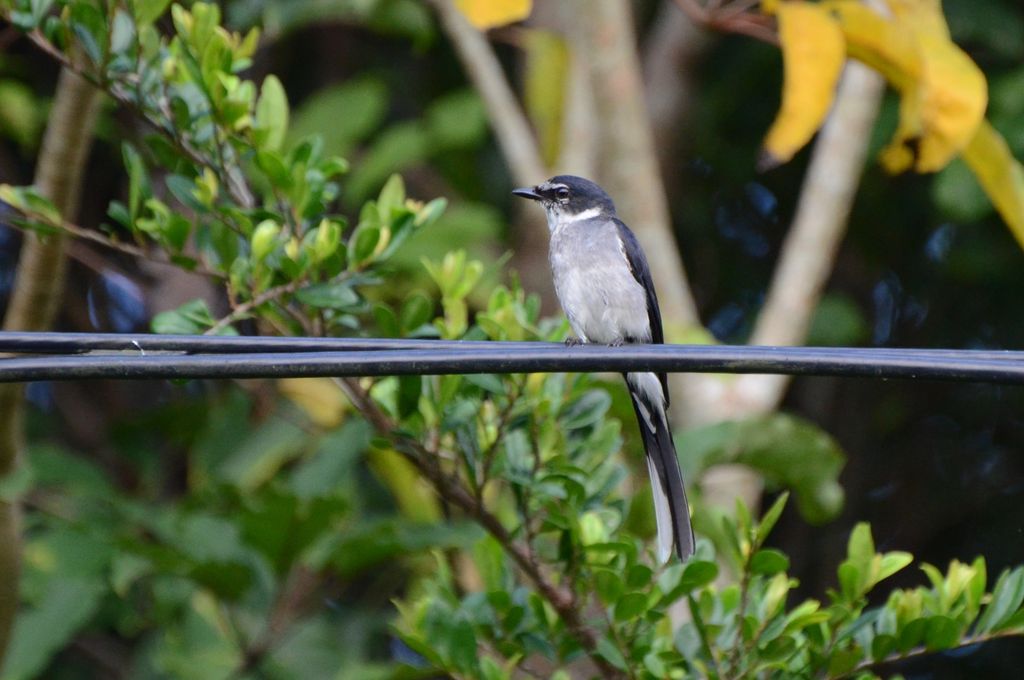
Species information Scientific name: Pericrocotus tegimaeJapanese name: リュウキュウサンショウクイChinese name: 琉球山椒鳥English name: Ryukyu minivetOrigin: Kanto region to Kyushu, Japan, and Ryukyu Islands Ecology and description The Ryukyu minivet has a grey belly. Males have a blacker head, while females have a greyer head. They are easier to observe during the breeding season in spring. Originally, the… Continue reading Ryukyu Minivet
Small Indian Mongoose
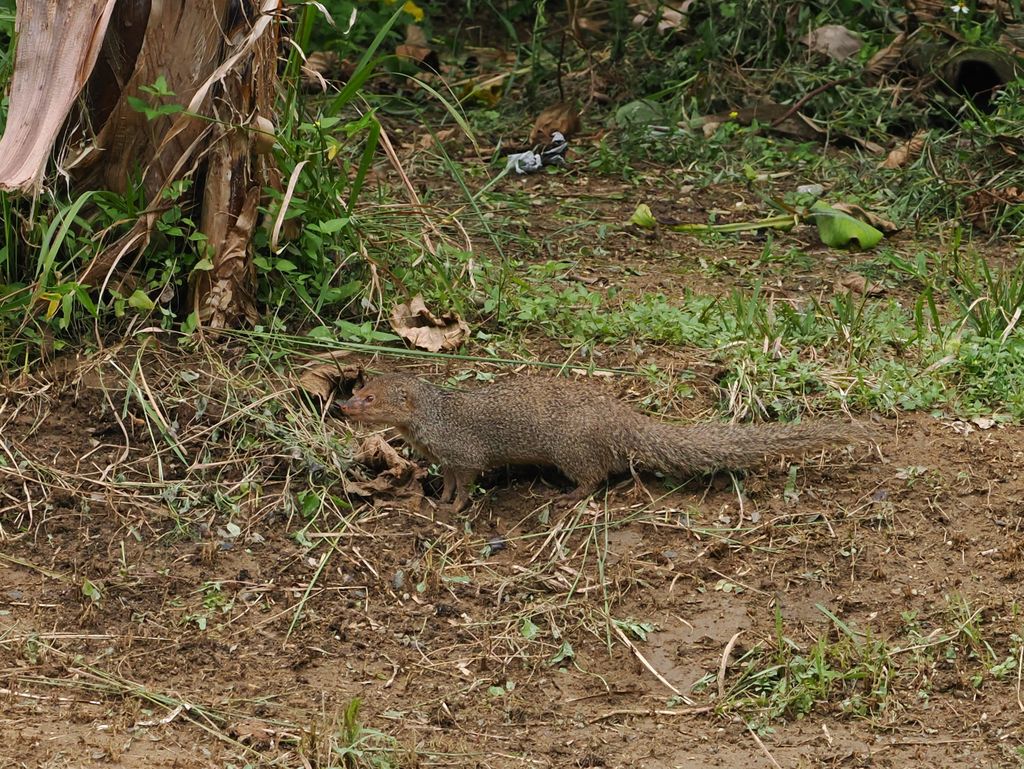
Species information Scientific name: Herpestes auropunctatusJapanese name: マングース、フイリマングースChinese name: 紅頰獴English name: Small Indian mongooseOrigin: Northern South Asia Ecology and description In 1910, Okinawa introduced the non-native Small Indian mongoose to control Habu snakes and rats. The Small Indian mongoose spread rapidly and expanded its territory, posing a significant threat to Okinawa rail as it reached… Continue reading Small Indian Mongoose
Japanese Pygmy Woodpecker
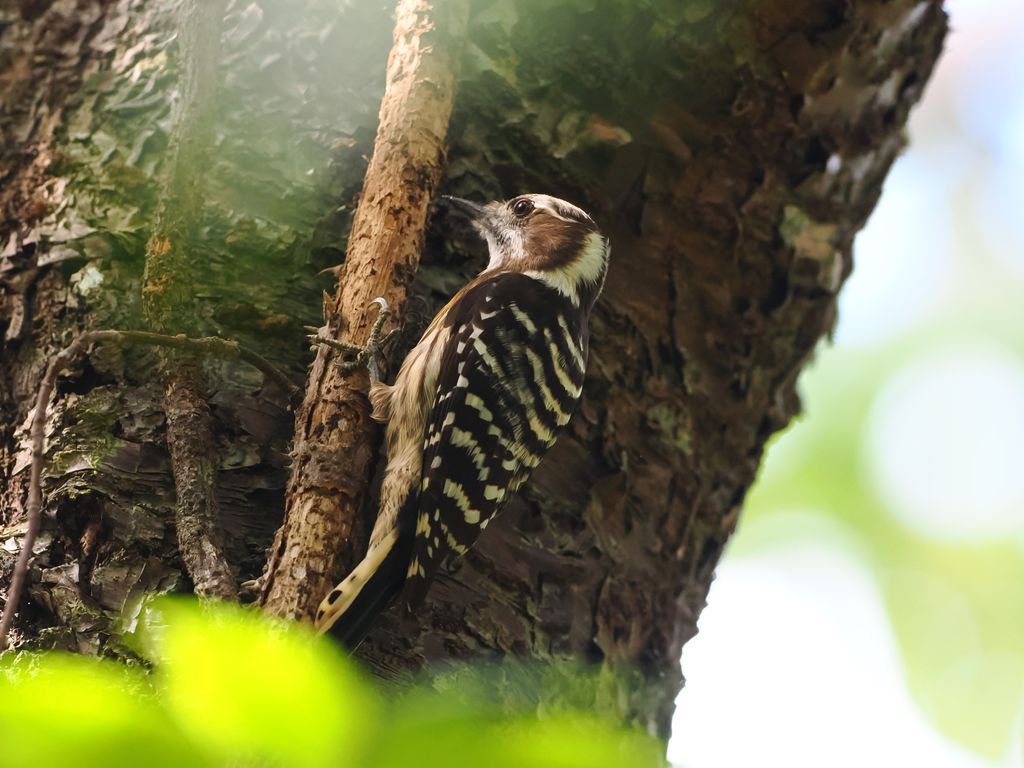
Species information Scientific name: Yungipicus kizukiJapanese name: コゲラChinese name: 小星頭啄木鳥English name: Japanese pygmy woodpeckerOrigin: Japan (including the Ryukyu Islands), Korea, parts of northeastern China. Ecology and description The Japanese pygmy woodpecker is approximately 13-15 cm in length and is a small woodpecker. It sometimes forages in mixed flocks with the Japanese white-eye or other tit… Continue reading Japanese Pygmy Woodpecker
Ryukyu Long-Furred Rat
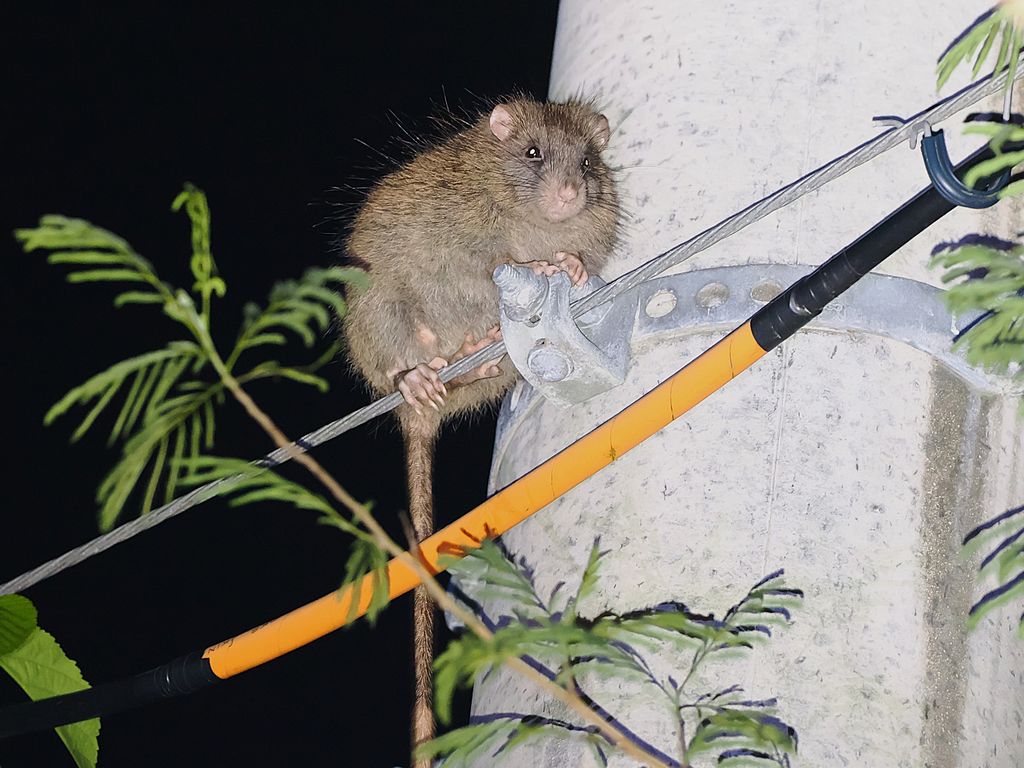
Species information Scientific name: Diplothrix legataJapanese name: ケナガネズミChinese name: 琉球長毛鼠English name: Ryukyu long-furred ratOrigin: Endemic to northern Okinawajima, Tokunoshima, and Amami Oshima Ecology and description The Ryukyu long-furred rat is the only species in the genus Diplothrix, and it is one of the most representative animals of the central Ryukyu Islands. It is designated as… Continue reading Ryukyu Long-Furred Rat
Giant House Centipede
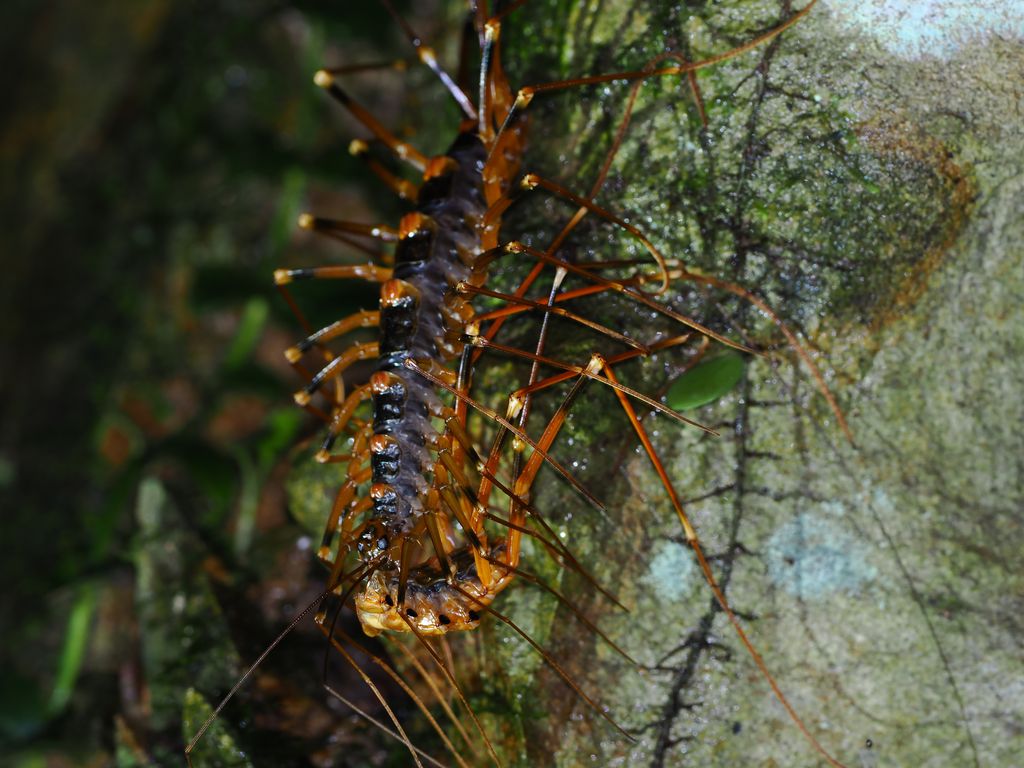
Species Information Scientific name: Thereuopoda cluniferaJapanese name: オオゲジChinese name: 大蚰蜒、臀獵足蚰English name: Giant house centipedeOrigin: Widely distributed in warm, humid areas of East and Southeast Asia. In Japan, found in Honshu, Shikoku, Kyushu, and the Ryukyu Islands. Ecology and Description The giant house centipede can grow up to 7-10 cm and preys on insects and other… Continue reading Giant House Centipede
Ryukyu Flycatcher
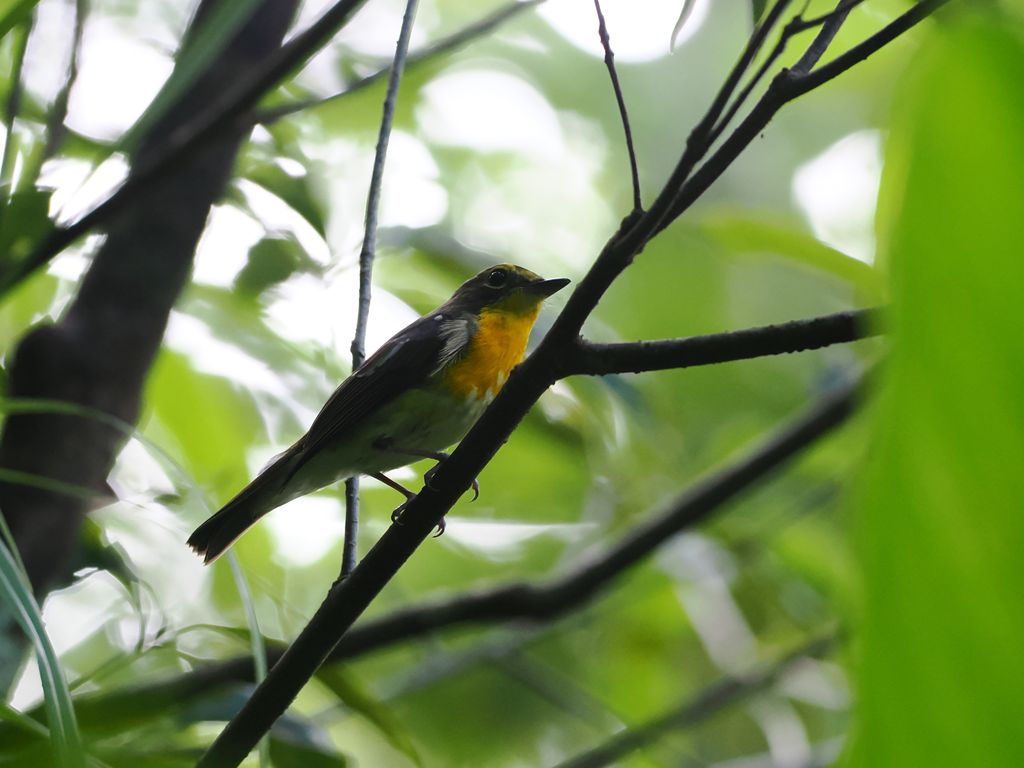
Species Information Scientific name: Ficedula owstoniJapanese name: リュウキュウキビタキChinese name: 琉球姬鶲English name: Ryukyu flycatcherOrigin: Ryukyu Islands (Osumi Islands in Kagoshima Prefecture ~ Yaeyama Islands in Okinawa Prefecture) Ecology and Description Previously considered a subspecies of the Narcissus flycatcher (Ficedula narcissina), it is now regarded as an independent species. Sightings on Okinawajima are rare and infrequent. Field… Continue reading Ryukyu Flycatcher
Cardiodactylus cricket (Forest cricket)
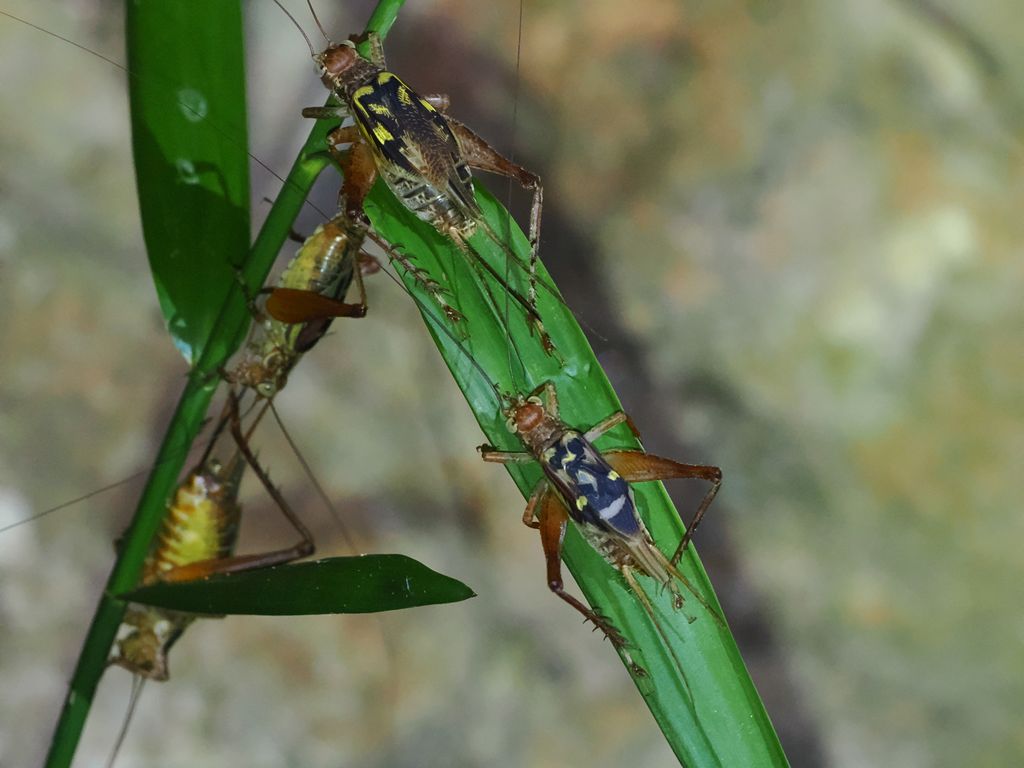
Species information Scientific name: Cardiodactylus guttulus Japanese name: キマダラマツムシChinese name: 黃斑鐘蟋English name: Cardiodactylus cricket (Forest cricket)Origin: Ryukyu Islands, Taiwan, Southeast Asia Ecology and description The Cardiodactylus cricket is the most common cricket in Okinawa. On Okinawa Island, adults can be found starting around mid-August. They are extremely abundant and serve as a primary food source… Continue reading Cardiodactylus cricket (Forest cricket)